
Name someone accused of rape in South Africa, and you could face up to three years in jail
You can publicly name an accused murderer in South Africa. You can name a thief. You can name someone accused of assault. But if you name someone accused of rape, you could face up to three years in jail. Under an absurd apartheid-era law, that keeps rapists anonymous and silences rape victims, women who publicly name their rapists can be prosecuted before a case has even gone to trial. We had to read that twice. We take a look at the new campaign called ‘NXME HIM’, whose sole objective is to get the Minister of Justice, Mmamoloko Kubayi’s, attention and force this long-ignored law into the spotlight.
You can share this campaign directly with the Minister of Justice herself, Mmamoloko Kubayi on Instagram: @mmkubayi
In South Africa, rape survivors who publicly name their rapists can be prosecuted before their rape case has even gone to trial. And in a country where most women have either experienced sexual assault themselves or know someone who has, the idea that speaking publicly could make survivors the criminals feels impossible to reconcile, and yet, it’s real. Every year, over 53,000 rape cases are reported in South Africa. That’s only the cases that make it to the police, and likely nowhere near the true number of assaults. Trials can take years, and until a plea is entered, the accused remains unnamed, which means patterns stay hidden. When names are eventually made public, multiple survivors often come forward. Without that visibility, cases remain isolated, evidence is harder to gather, and the system quietly shields repeat offenders.
The ‘NXME HIM’ campaign is being spearheaded by Catherine and Phil Ireland in collaboration with the Women’s Legal Centre, agency Avatar, with production support from Spitfire Films and director Ying-Poi De Lacy helping bring the campaign to life. “We believe that rape victims should have the same rights as victims of other serious and violent crimes,” says Catherine Ireland.
Designed to overturn a law that openly discriminates against women and girls, the campaign is forcing it into the spotlight and calling on Minister of Justice Mmamoloko Kubayi, @mmkubayi, to finally address it.
“It’s hard to get rid of a law that no one knows about,” say Catherine.
Womens Legal Centre ‘NxME HIM’
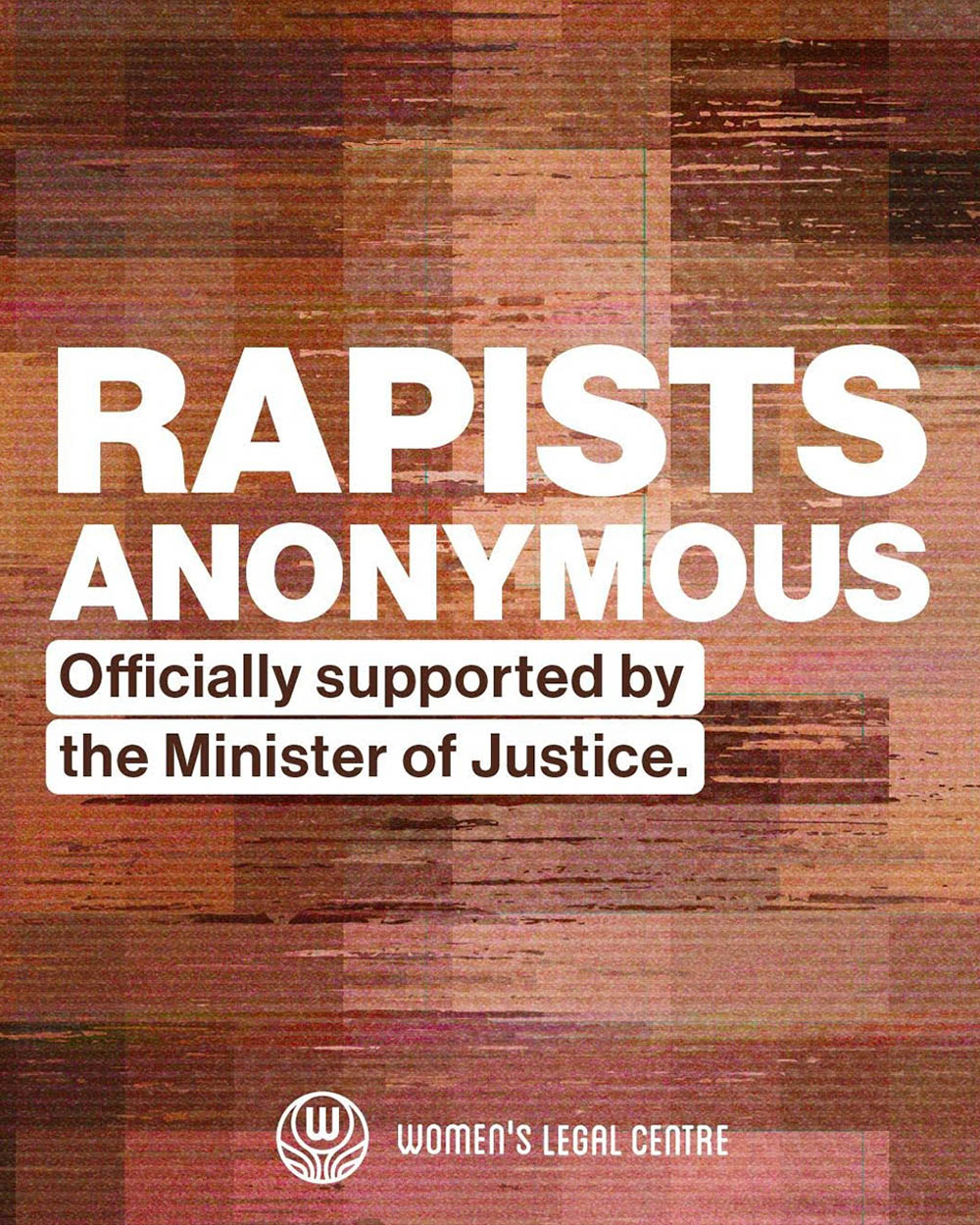
The campaign enables women to symbolically name alleged attacker on NxmeHim.com, using a creative loophole. Once the name is entered, it’s translated into a coded emoji string. Until this law is overturned and the rapists’ names are decoded. The campaign draws on a long history of coded communication, using emojis as a way to symbolically name without technically doing so. At its centre is a line that says everything the law avoids: Rapists Anonymous.
“They can’t tell their friends. They can’t speak about it in a support group. They are effectively gagged,” says Phil Ireland.
This work is about exposing a legal contradiction that has gone largely unquestioned and creating enough pressure for it to be challenged. That challenge is already underway. The Women’s Legal Centre is currently contesting the constitutionality of the law in court, with the potential to escalate to the Constitutional Court. The campaign exists alongside that process, making sure it doesn’t happen quietly.
This long-ignored law effectively creates a kind of ‘Rapists Anonymous’ system, where accused rapists remain protected by anonymity while survivors carry the risk.

For Spitfire Executive Producer Liesl Lategan-Kyriakou, the issue is deeply personal, saying, “I’ve seen the damage sexual violence leaves behind, and how often the system allows perpetrators to walk away while survivors carry the trauma.”
Since launch, the campaign has already prompted a response from the Ministry of Justice, who reached out to the Women’s Legal Centre to engage for the first time.
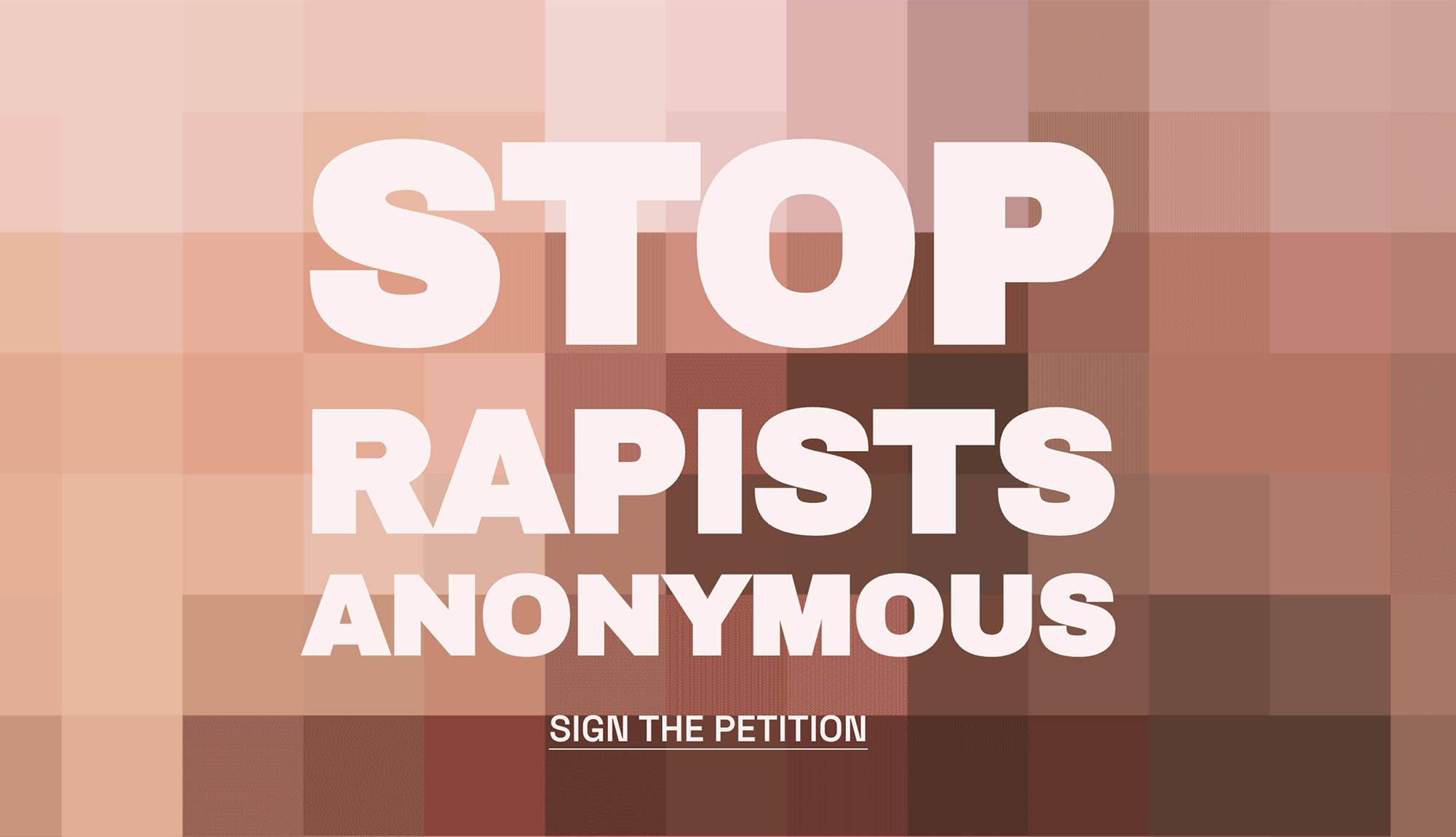
If you’re asking what you can do right now: share the work. Talk about the law. Tag Minister Mmamoloko Kubayi @mmkubayi and support the Women’s Legal Centre’s petition challenging Section 154(2)(b).

Contact Spitfire Films
Executive Producer: Liesl Lategan-Kyriakou
liesl@spitfire.tv
(+27) 082 539 1287
View IDIDTHAT Profile
View Website
Produced by the IDIDTHAT Content Studio
Credits: Anne Hirsch (Writer) / Julie Maunder
This content may not be reproduced, distributed, or used in any form without prior written consent from IDIDTHAT. Reprints must credit IDIDTHAT.co as the original publisher and include a live link to ididthat.co.
This editorial was commissioned by Spitfire Films.
Want the industry to pay attention to your production company, agency, brand, or the work you’re proud of? The IDIDTHAT Content Studio partners with you to thoughtfully and strategically shape your narrative.