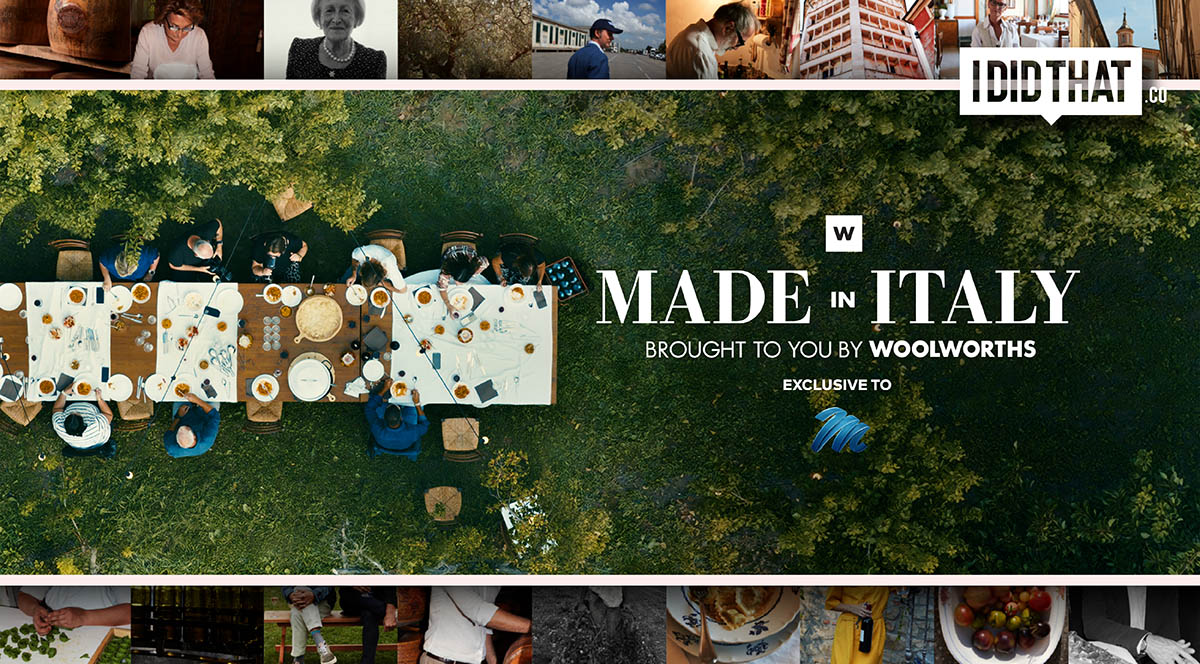
Behind Woolworths’ six-part ‘Made in Italy’ Docuseries
Woolworths, in partnership with Big Sky Productions and The Video Cartel, takes us inside the month-long Italian shoot that grew into six half-hour films for M-Net.
Almost a month on the road in Italy, and close to 20 terabytes of footage, all turned into six 30-minute episodes for M-Net. Woolworths’ massive ‘Made in Italy’ series brought together its in-house creative team, long-standing production partner Big Sky Productions and Video Cartel director Rick Wall, with Video Cartel handling post. Together, they turned the stories behind pasta, tomatoes, prosciutto, parmesan, olive oil and balsamic vinegar into a three-hour journey through Italy for television.
But three hours of television wasn’t actually the original plan. The team left South Africa with a brief to document the journey, the people behind the products and the provenance of what Woolies sources from Italy. It was only when they got home and Rick began cutting a ten-minute internal mood film from the footage that everyone realised just how much story they had.
Italy gives you plenty to work with, sure, but great food and one very photogenic wheel of Parmigiano Reggiano only get you so far. The real job was finding enough story, character and momentum in all that material to hold an audience across three hours. That took a team who knew the brand, knew each other and, most importantly, trusted each other enough to do their jobs.
Woolworths’ ‘Made in Italy’ Docuseries Trailer
Woolies has a few food products that have almost cult-like followings. The dreamy rotisserie chicken, the now-infamous Chuckles and, perhaps on a more personal note, those mini chicken pancakes that have me in a chokehold. But here’s the bit we didn’t know: some of those very Italian-looking Woolies products aren’t just Italian-inspired. They’re actually made in Italy, by families and producers Woolworths has worked with for years. Who knew? We thought it was just very convincing branding. Turns out, no.
And that was the starting point for ‘Made in Italy’: go to the source, meet the people and Italian families behind the products, and show how they’re made, where they come from and the traditions that eventually find their way onto a Woolies shelf.
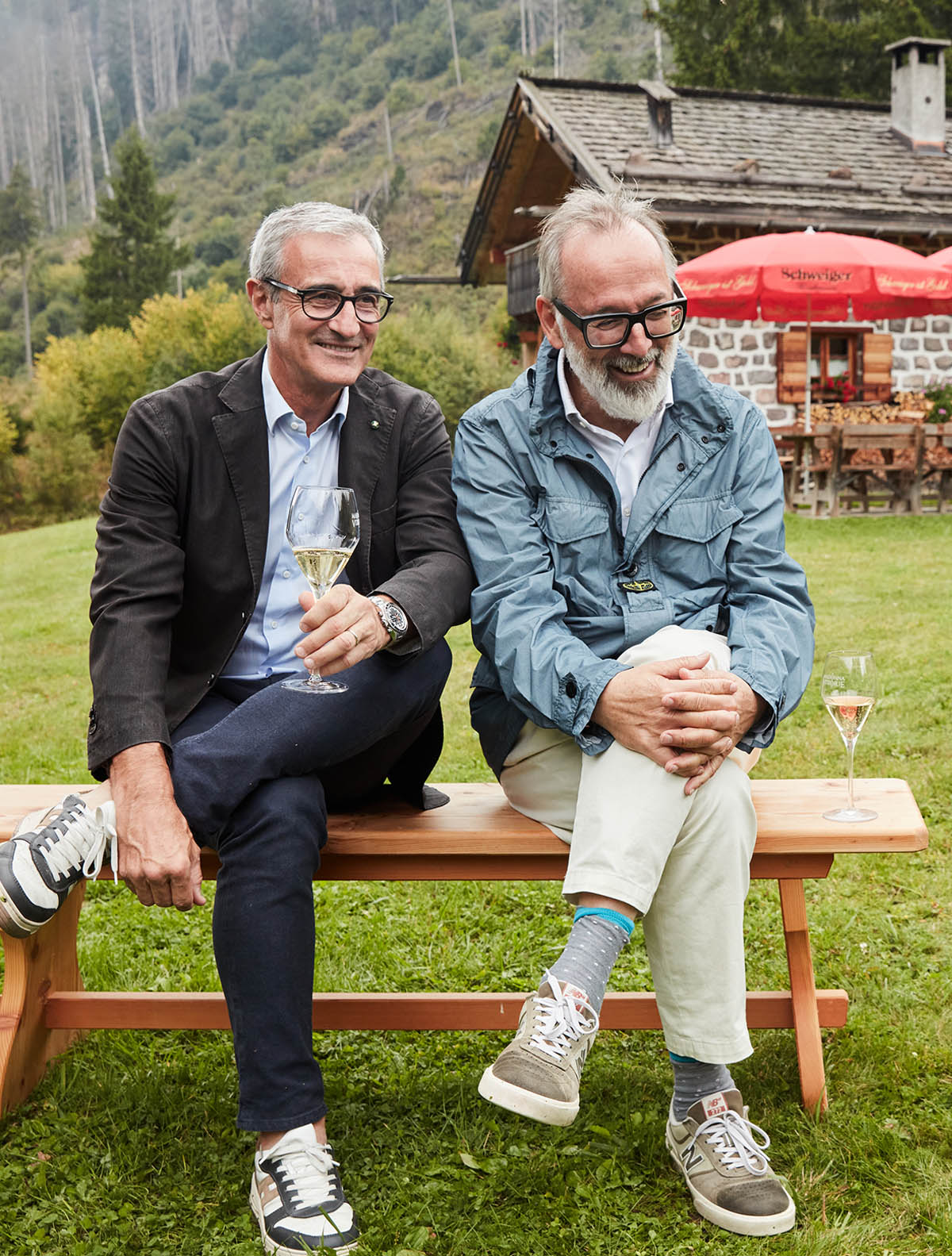
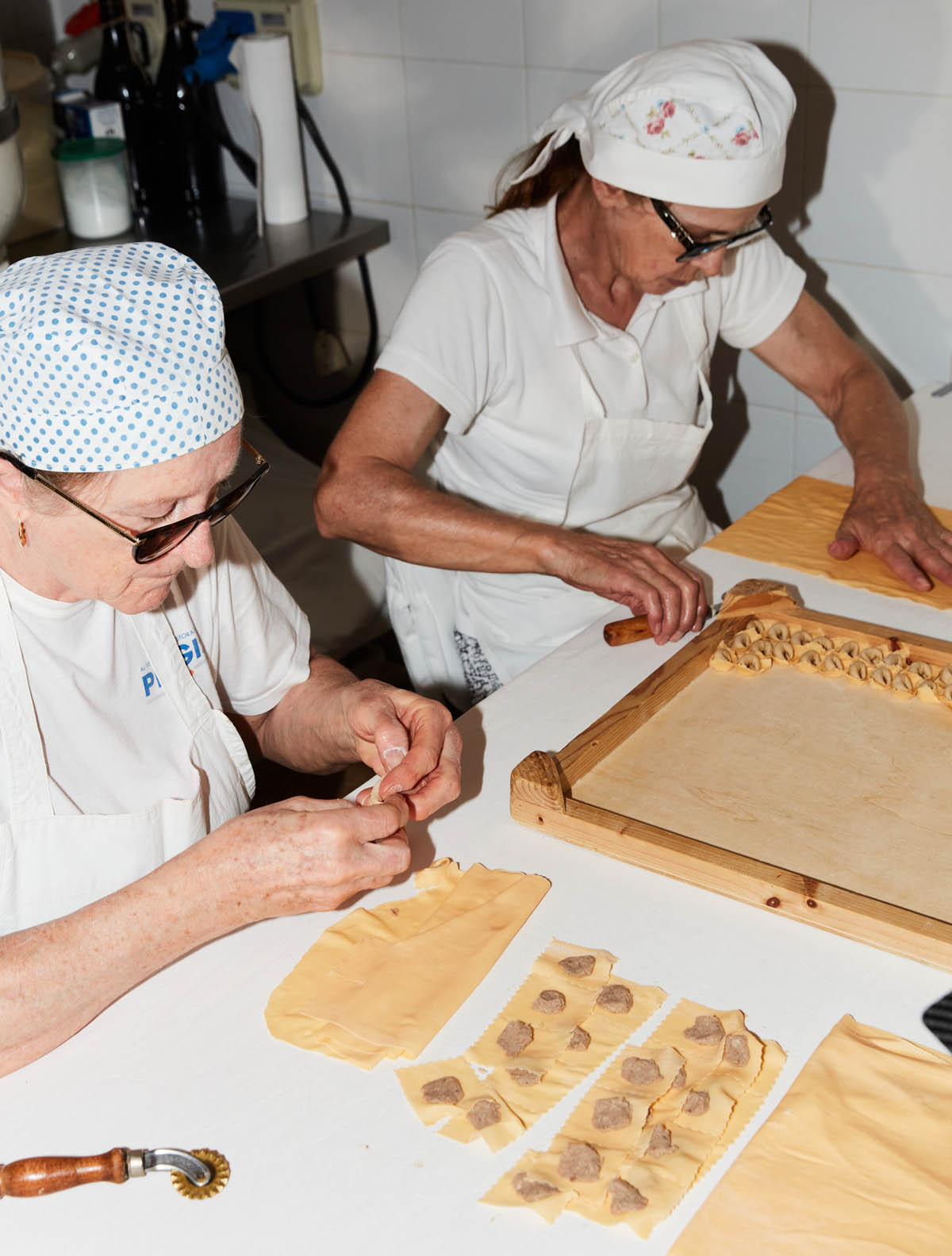
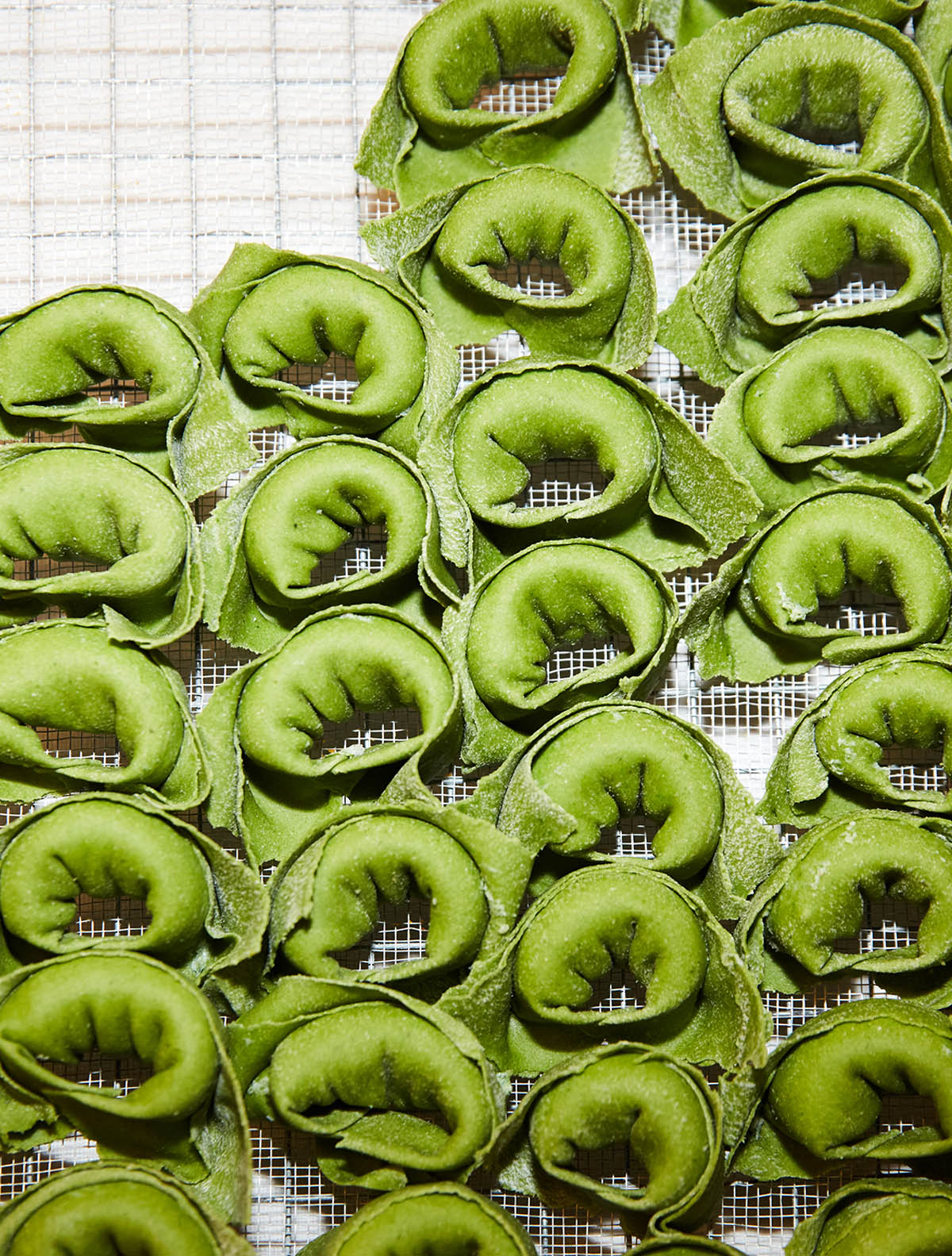
Riccardo Felicetti CEO of Pastificio Felicetti with world renowned 3-Michelin-star chef Norbert Niederkofler talking all things Filled-Pasta. Photographer: Ulrich Knoblauch
Woolies’ Senior Marketing Manager Hieba Solomons says, “We wanted to create a deeper connection between people and food, and longer-form storytelling gave us the space to do that. We wanted to capture the real people, places, craft and culture behind Italian food, rather than create something that felt overly branded. The team brought strong storytelling and production expertise, while understanding that Woolworths needed to be present without overpowering the story.”
Head of Brand Communications Foods Elizka Ferreira says, “This is some of the most beautifully engaging food storytelling we have seen in South Africa to date. We believe this will be a classic series that will not age. These are stories we will return to again and again for inspiration.”
Photographer: Ulrich Knoblauch
Creative Director’s Hannes de Wet and Jakkie Brink were central to shaping the story alongside Rick. The three worked closely on the ground, sharing ideas, testing what they found and figuring out together where the story should go.
Rick’s role stretched across the entire process. He directed and shot the series, then came home and edited, collaborating with Hannes and Jakkie, which meant he could follow the story from what happened in front of his camera in Italy right through to the final cut. “You can have a very detailed plan of what you want to capture, but when you arrive all of that can be thrown on its head,” he says. “You have to adapt to what’s presented to you.”
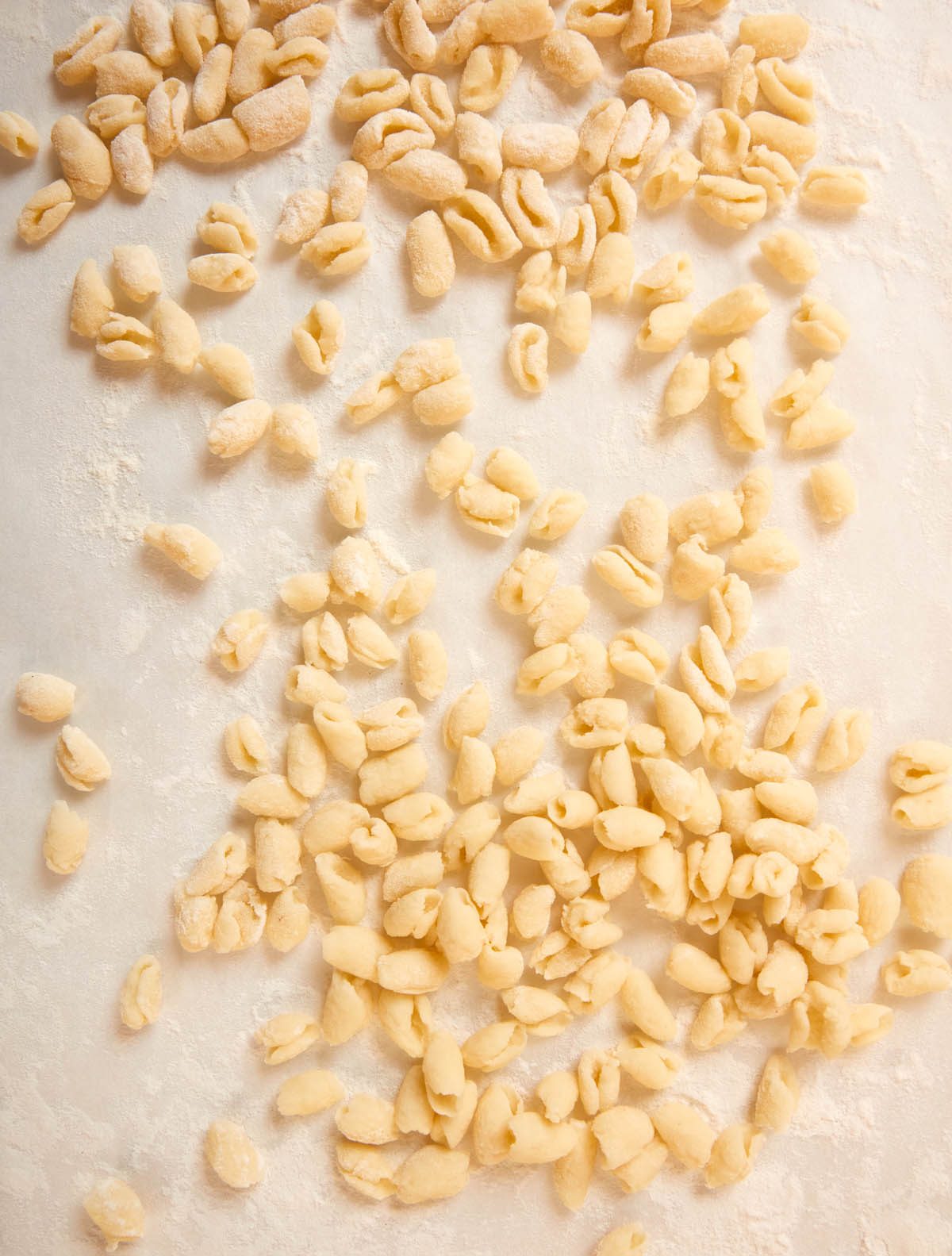
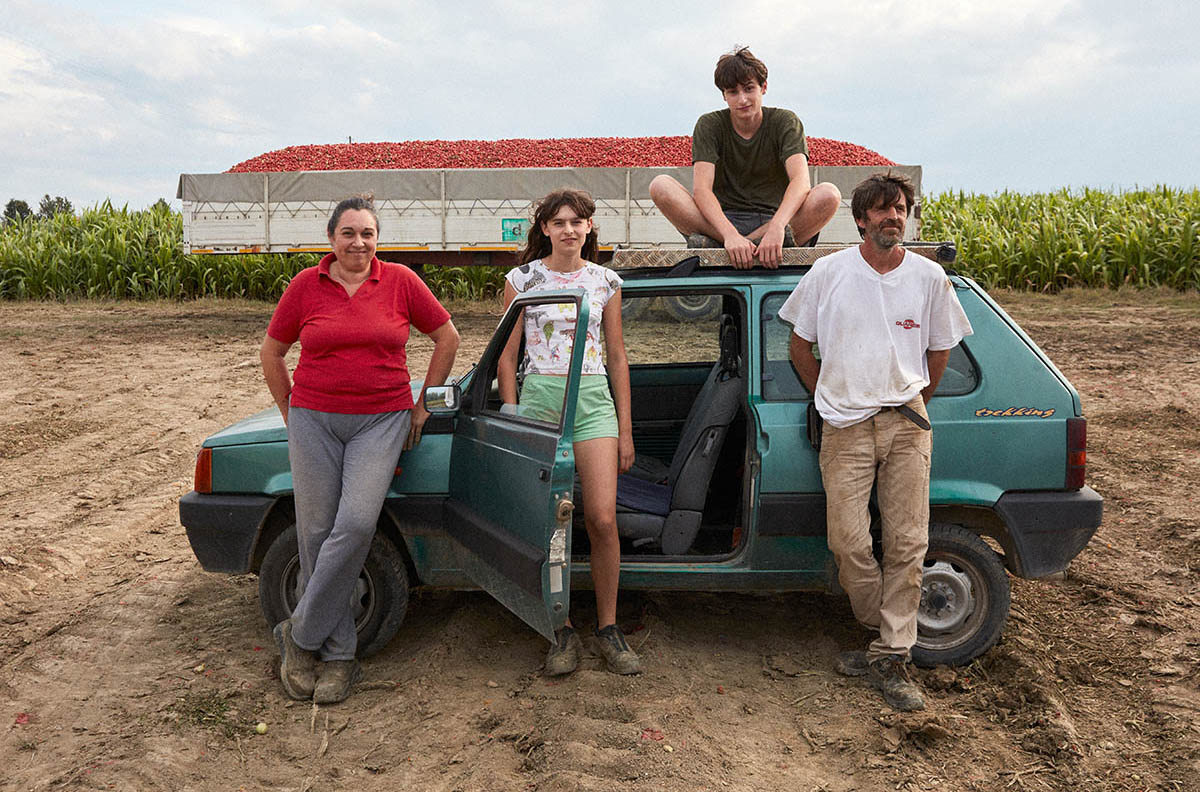
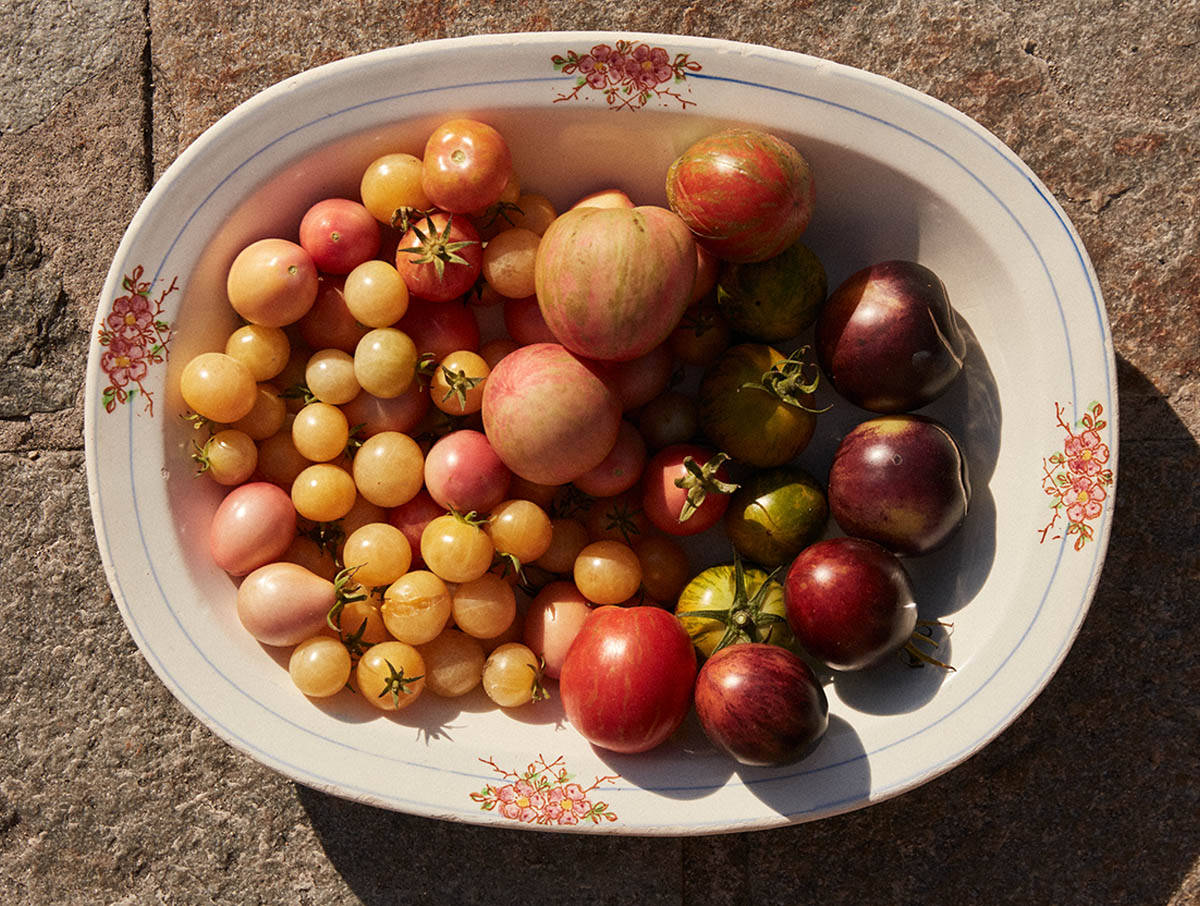
Omar Ferraroni and his family on their tomato farm in Emilia-Romagna. Photographer: Ulrich Knoblauch
The crew spent close to a month on the road, spending two to three days with each supplier or at each location, moving and eating their way through areas including Emilia-Romagna and Verona. Ag shame! Rick also kept his cameras rolling after the product stories, capturing the towns, landscapes, meals and people they encountered along the way. That material would become hugely important when the series came together later.
“From the first interviews and the first days of filming, we were awed by just how deep the story of Italian food runs,” says Jakkie. “We saw the role climate and geography play in shaping what can be grown and made in a particular place. We discovered a hyper-regional food culture, where travelling even a short distance can mean different ingredients, different traditions and different ways of cooking. And everywhere we went, we encountered an extraordinary pride in heritage, and in preserving the knowledge by passing it from one generation to the next.” Jakkie adds: “Good food isn’t something reserved only for special occasions, in Italy it’s woven into everyday life. The food of any country is, in some way, a record of its past and a reflection of its people, geography, climate and history.”
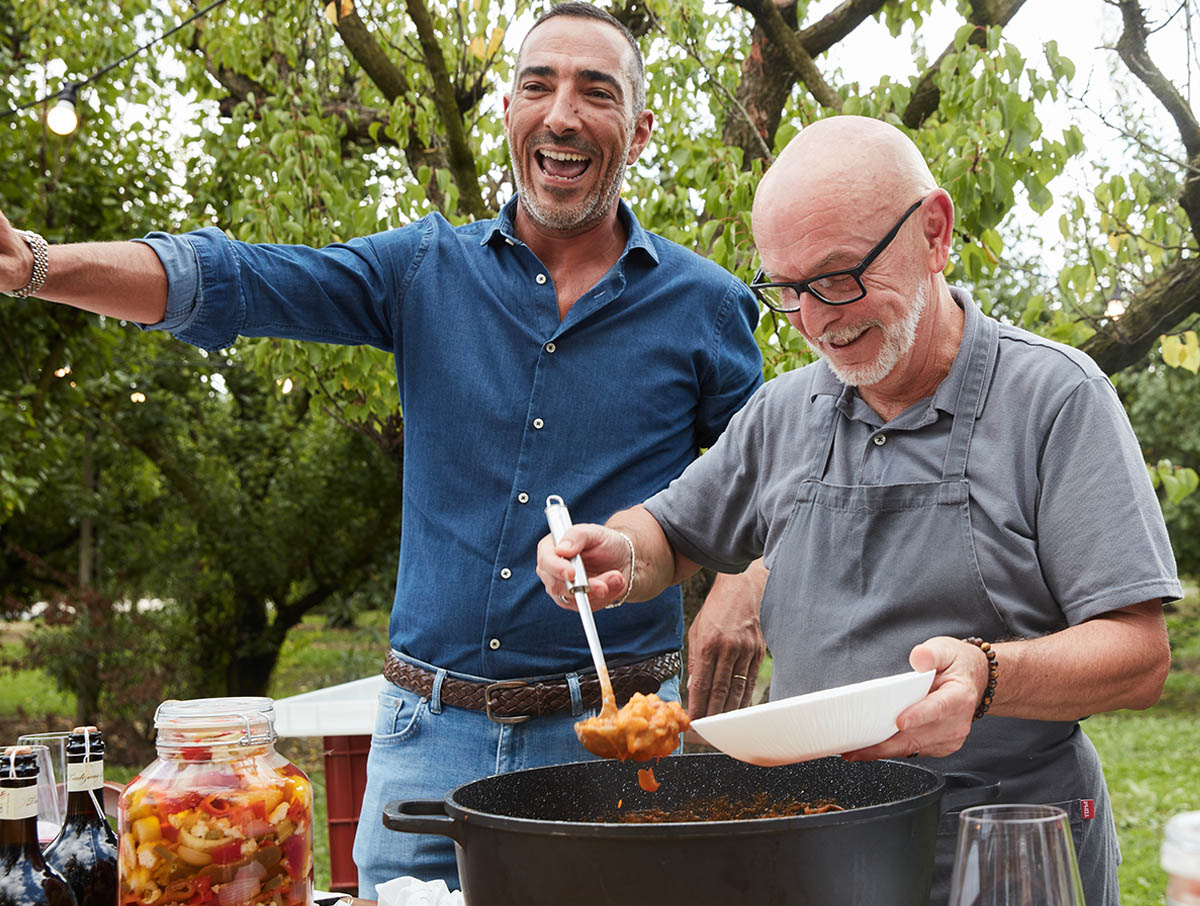
Lorenzo Fontanesi and Cascina Pizzavacca Head Chef, Roberto Zanetti. Photographer: Ulrich Knoblauch
Woolworths Head of Food Development Christelle Van Zyl was also struck by how much South African and Italian food culture have in common: “Both place enormous importance on quality ingredients, family, tradition and the role that food plays in bringing people together. Those shared values became a natural thread throughout the project.”
Visually, Rick wanted Italy to feel cinematic without turning it into a glossy food commercial, so he paired a RED camera with old Nikon stills lenses from the 1970s. “I’d never been to Italy, but there’s this nostalgic thing about it,” he says. “I wanted to use these really old lenses with the RED and it gave us the closest I think I’ve got to film on a digital camera.”
Photographer: Ulrich Knoblauch
The approach suited the stories too. Rick wasn’t interested in manufacturing a romantic version of Italy when the real thing was already giving them plenty. “I wanted the story to come from the people we met and interviewed along the way,” he says. “I didn’t want to fabricate a world just for the sake of a favourable visual experience.”
For Woolworths Executive Creative Director Brian Mtongana, the craft had to carry through every part of the finished series. “As they say, we eat with our eyes first, so we wanted to make the storytelling feel as rich and cinematic as the food itself. The craft is in the details, the cinematography, composition, music, pacing and sound design, all working together to tell the stories of the people, places, heritage and passion behind the plate, and evoke a deeper emotional connection to Italian food. It’s storytelling that makes you see the food differently, feel something and ultimately want to taste it.”
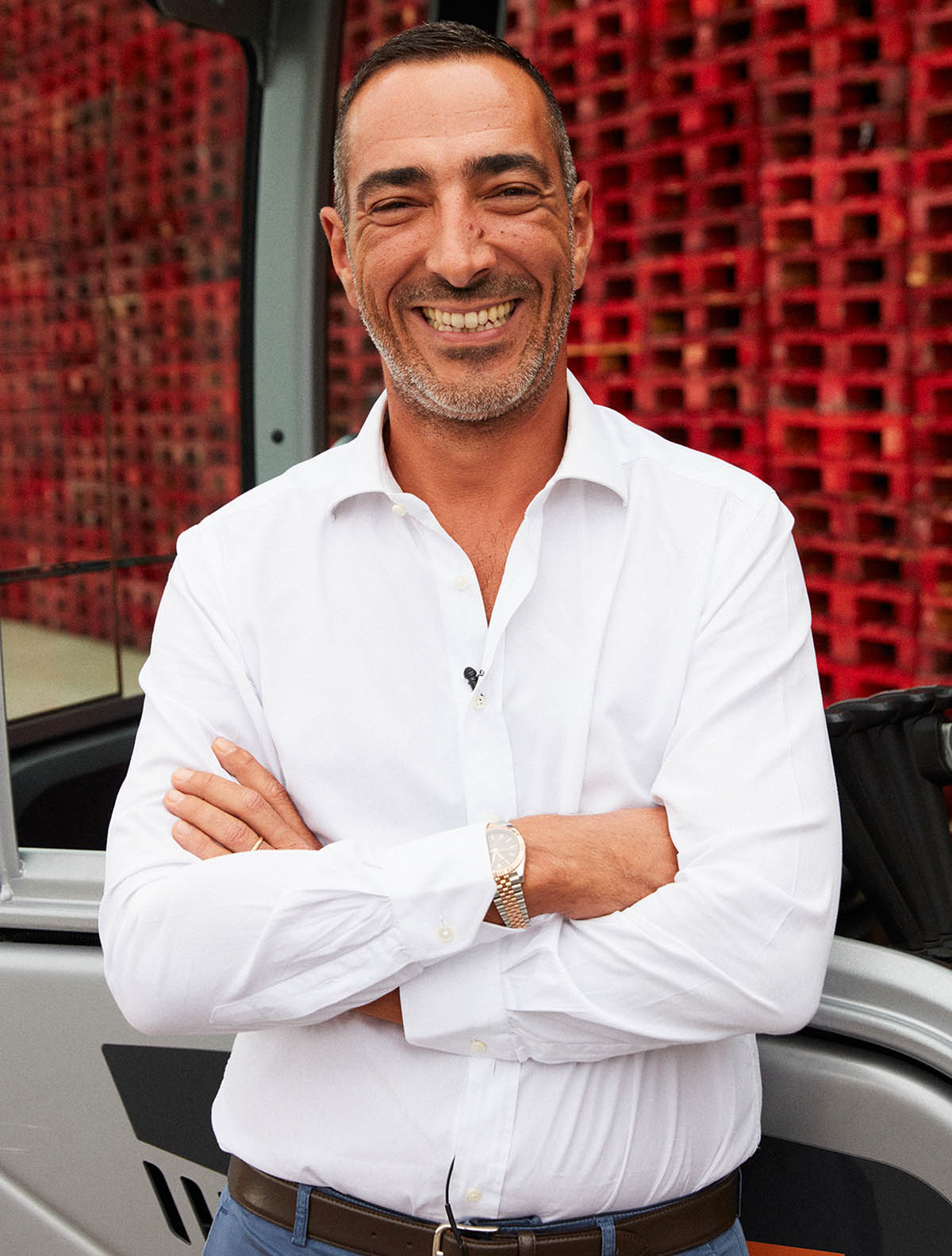
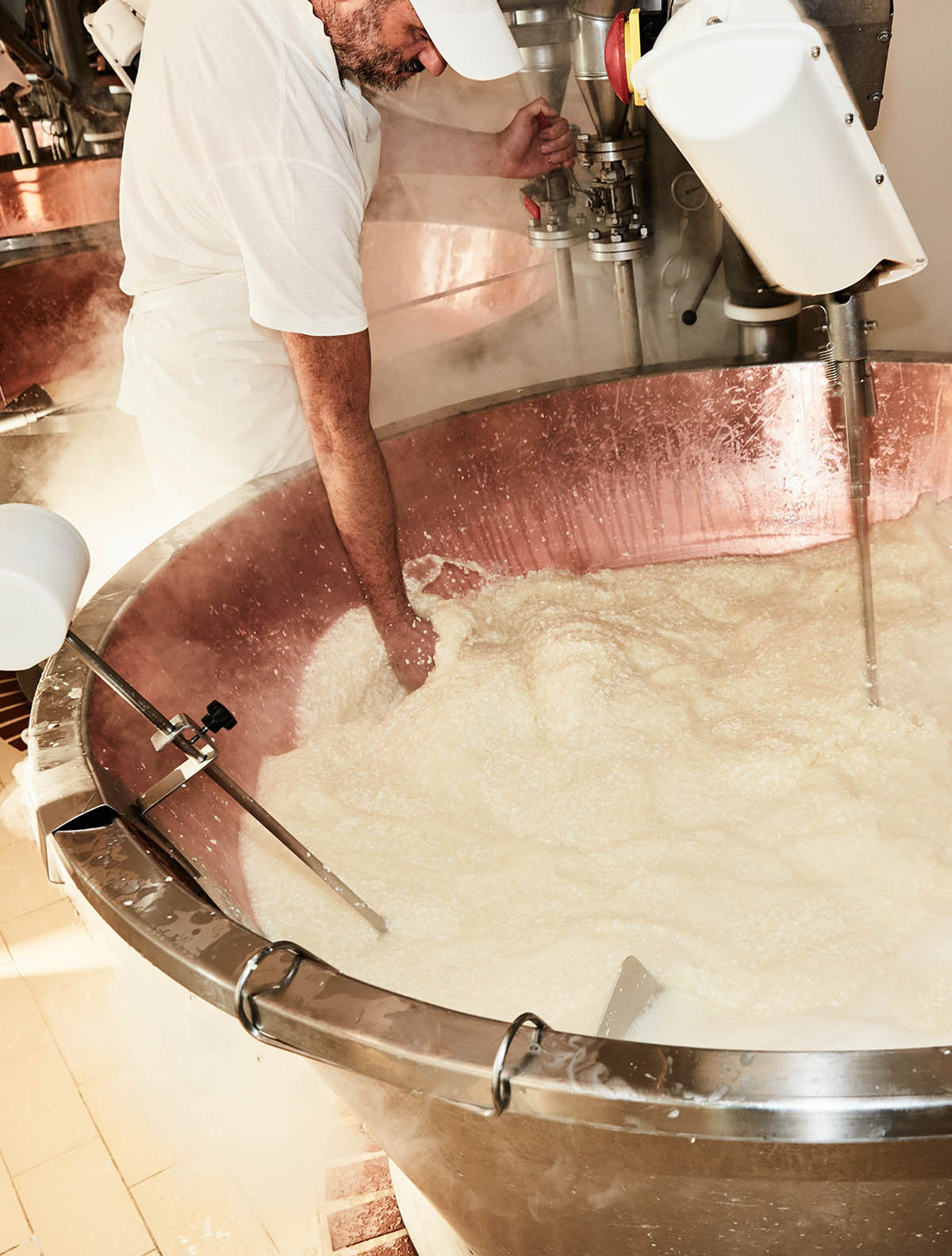
Lorenzo Fontanesi, Director Of Casalasco Group. Photographer: Ulrich Knoblauch
Making television on the move with a team of around 10 to 12 people in two vans, including client, creative team and crew, meant things rarely happened exactly as planned. Locations came with different restrictions; time was tight and Rick, Hannes and Jakkie often had to work out very quickly what a scene could become.
Embarking on a production of this magnitude required a team that already knew each other pretty well. Big Sky has been Woolworths’ strategic production partner for over 16 years, so understood the requirements very well. For Big Sky Executive Producers Rowan Raaff and Andrew Verster-Cohen, that level of trust is what allows a job this ambitious to work. “To be entrusted with such an important production is a huge honour and privilege. Something of this scale needs a totally different approach. It takes a combination of experience and planning, but more than anything, it needs that level of trust between everyone involved. That’s the kind of work we thrive on because it gives us the space to really get involved, solve problems and help shape the work as it develops.”
“On these types of projects you need to be very agile,” he says. “You need to move in directions that serve the production and not let the pressure of the crew and surroundings overwhelm you.”
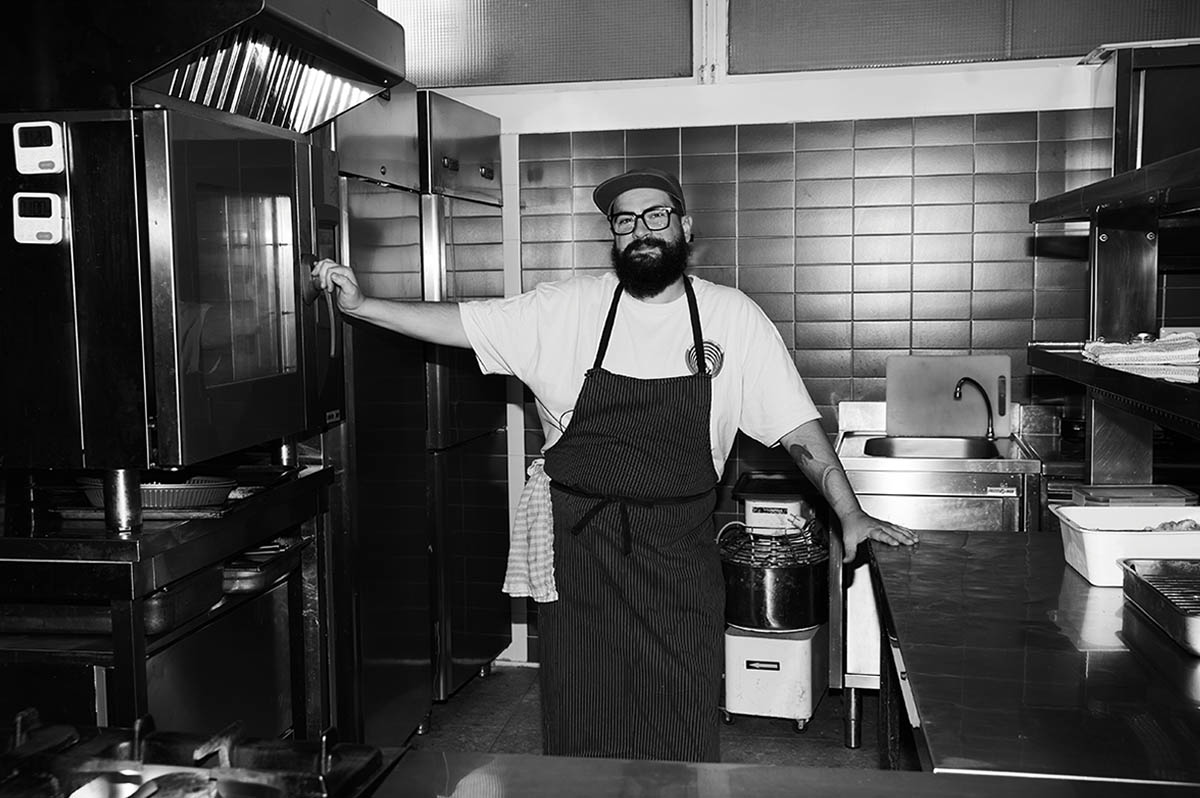
Chef Mauro Enoch in his kitchen at Ristorante Rimulas in Voghera, Lombardy. Photographer: Ulrich Knoblauch
There was also the small issue of everyone speaking Italian. The team had expected more of their interviews to happen in English. Instead, Rick estimates around 95% were conducted in Italian. Their fixer translated on the ground, but once they were back in South Africa, the interviews had to go through another detailed translation process before the team could really get into the storytelling.
All the footage Rick had captured outside the product stories gave the films a much wider world. Jakkie had also kept a daily journal throughout the trip, which turned out to be much more than a nice record of all the pasta they’d eaten. It became an important narrative thread through the episodes, helping the team piece together not only what they had seen but how the journey had unfolded for them.
“Instead of just filming the products, I just thought, let’s show the viewer what we did and how it felt for us,” says Rick.
With Rick cutting, Jakkie working closely with him on the narrative and Video Cartel Creative Producer Rex Truter producing the post, the team then had to wrestle an enormous amount of material into six separate stories that could hold an audience for half an hour per episode while still feeling like one series.
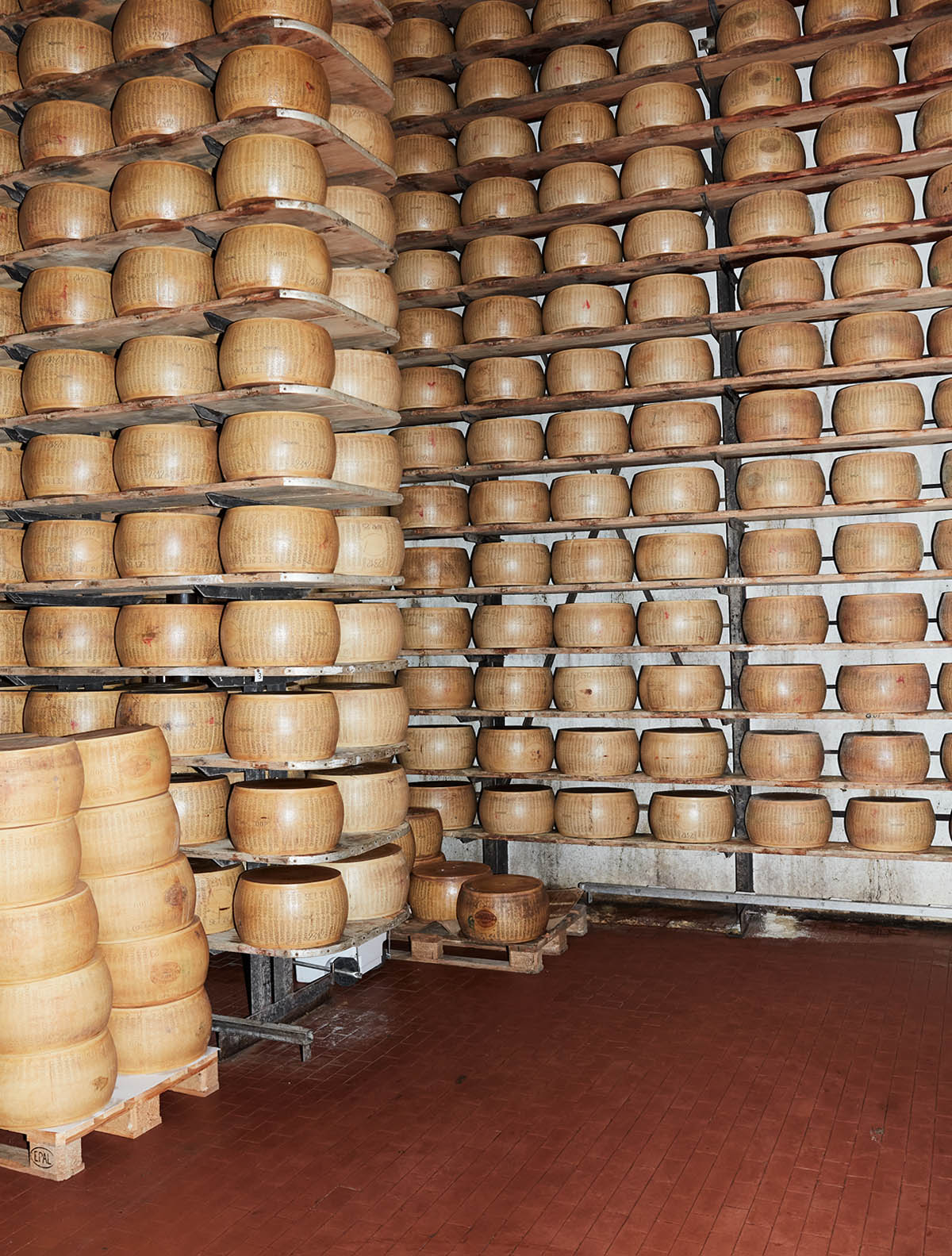
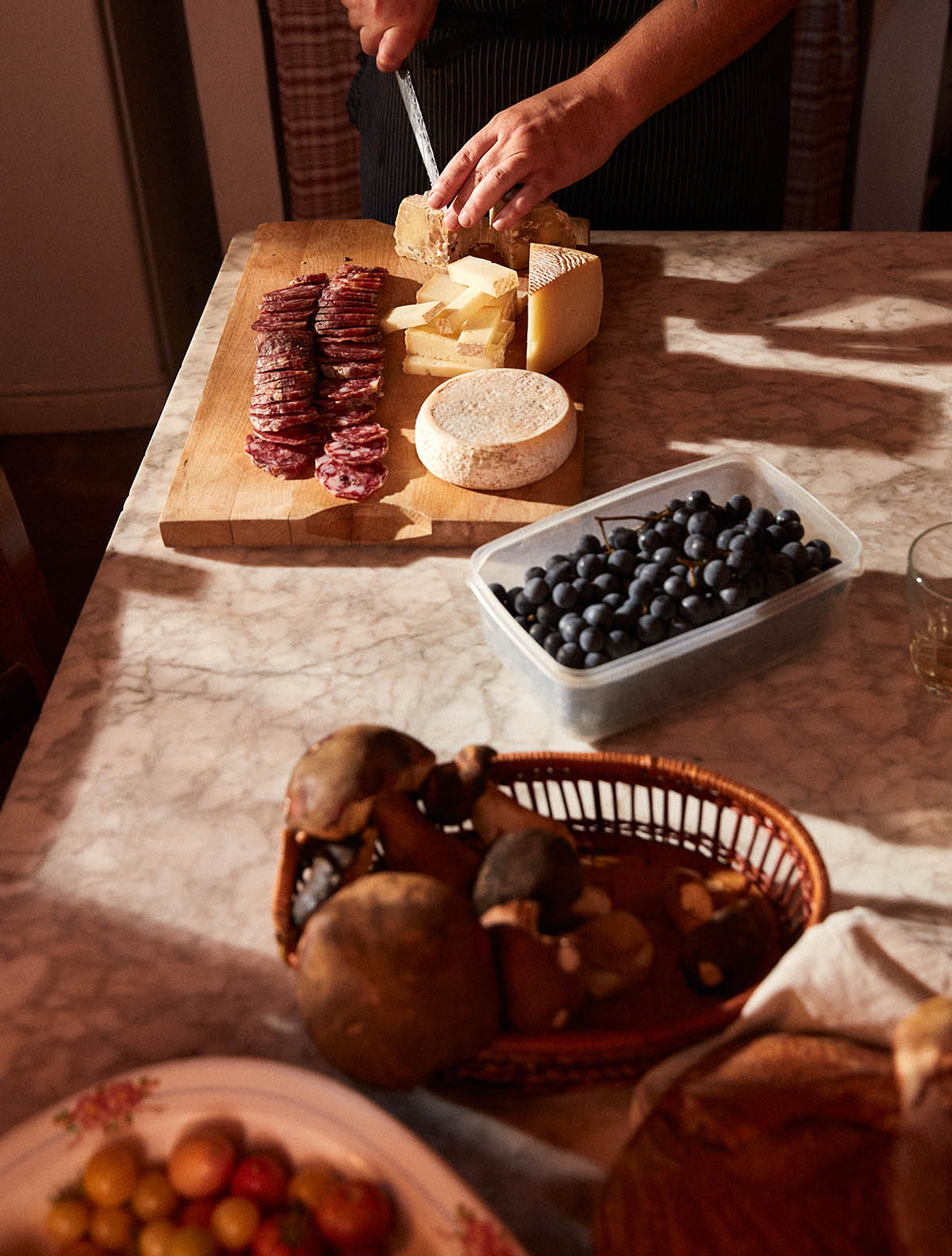
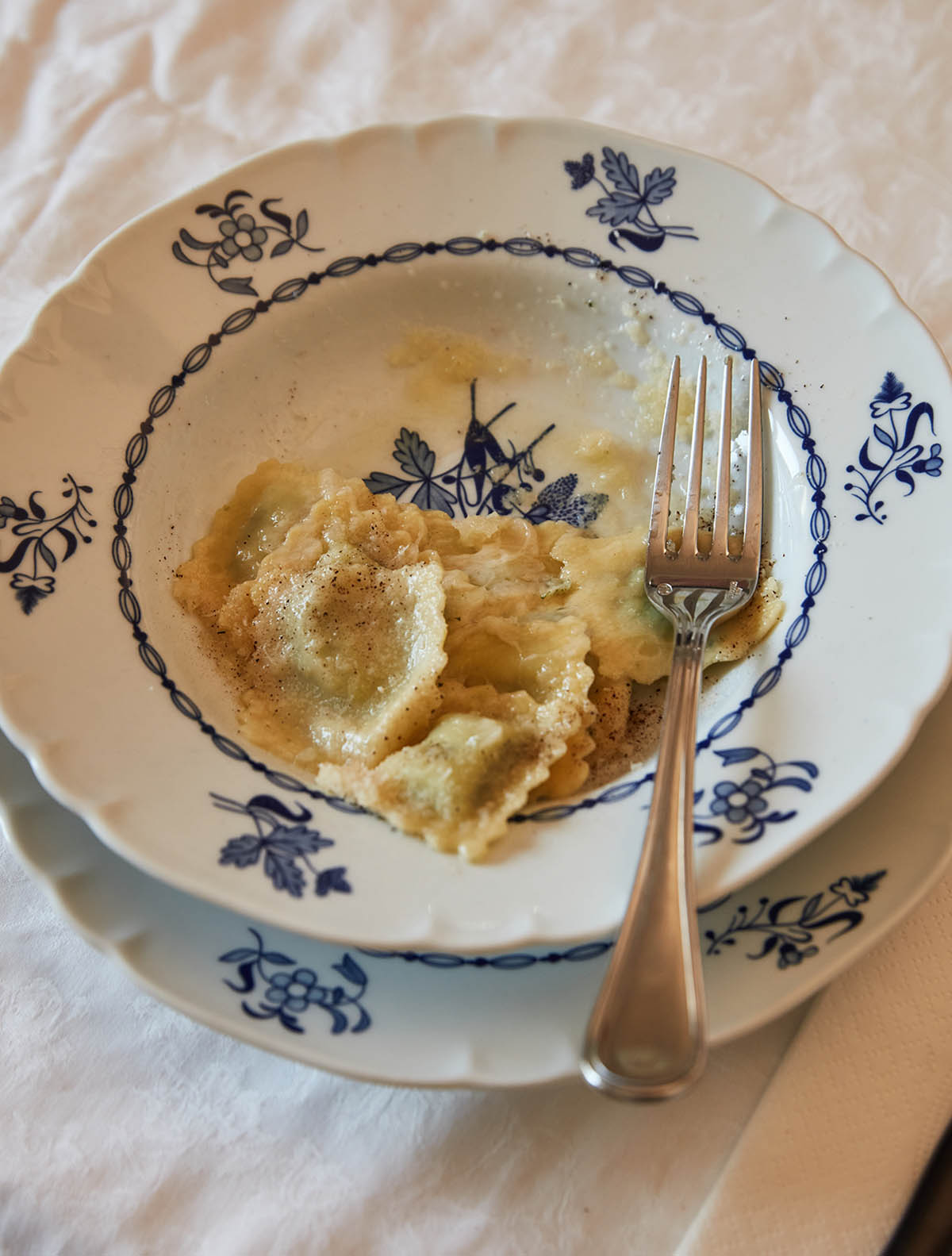
Photographer: Ulrich Knoblauch
“Post-production became a really important part of the storytelling process because we weren’t simply assembling a storyboard of scenes,” says Rex. “We were discovering and shaping the narrative from everything captured in Italy.” For Video Cartel, that’s where experience, chemistry, and creative trust really matter, especially on such a large scope campaign. Rex believes this is once again proof that the right combination of people can elevate a project far beyond the brief and what is possible on paper.
Pressure Cooker Studios handled audio post, Unhinged Post the online edit and Nic Apostoli at Comfort & Fame the grade, with each part of the finishing helping six very different stories feel like they belonged together.
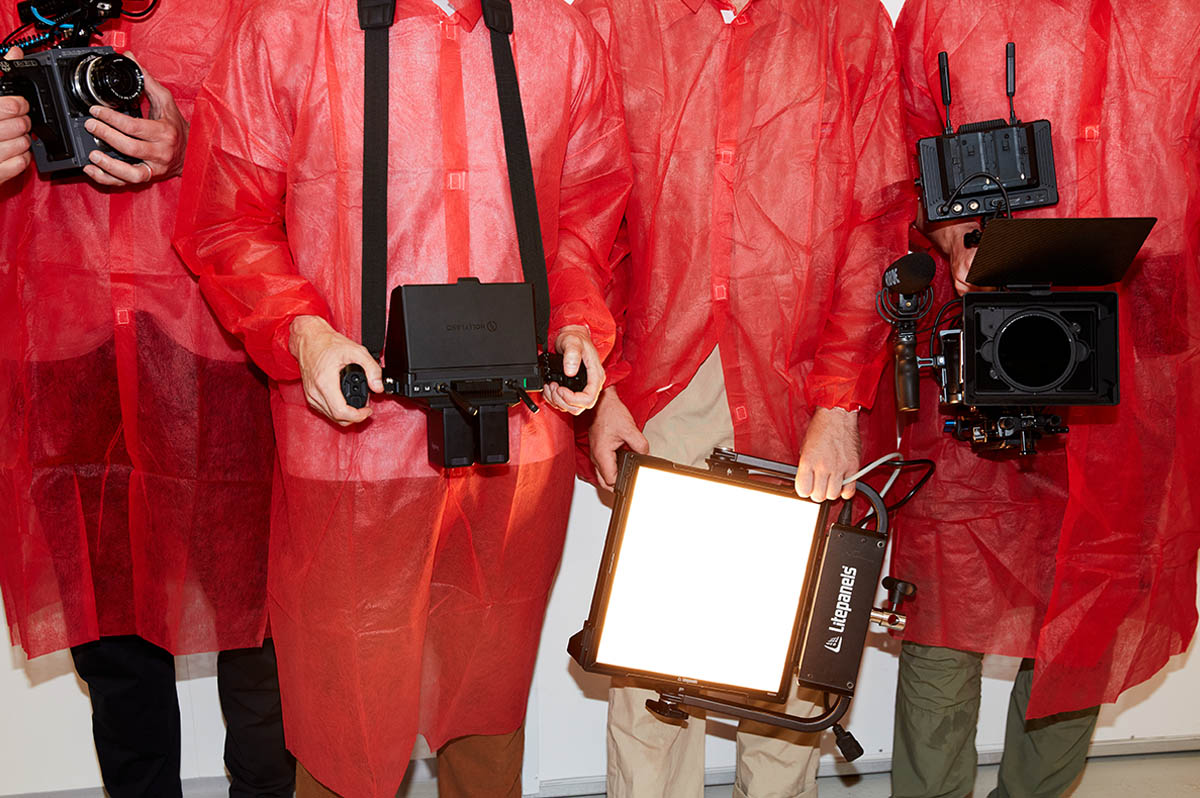
Camera Crew in Vicenza, filming inside Bertagni 1882, the world’s oldest filled-pasta factory
And that’s where ‘Made in Italy’ gets interesting as branded content. Woolworths is very much the reason everyone is in Italy, but the episodes spend time with the people and places behind the products. A great example of how a brand can start the conversation without needing to dominate it.
You get to understand why a family makes something a particular way, where that tradition comes from and why the food changes as you move through the country. It makes you want to travel to Italy or, at the very least, head to Woolies.
‘Made in Italy’ airs Sundays at 17:15 on M-Net, DStv Channel 101, with episodes covering filled pasta, tomatoes, Parma ham, dried pasta, Parmigiano Reggiano, and balsamic vinegar and olive oil.
Wanna (s)talk some more? Check out Video Cartel’s Company Website.

Produced by the IDIDTHAT Content Studio
Credits: Anne Hirsch (Writer) / Julie Maunder
This content may not be reproduced, distributed, or used in any form without prior written consent from IDIDTHAT. Reprints must credit IDIDTHAT.co as the original publisher and include a live link to ididthat.co.
This editorial was commissioned by Video Cartel.
Want the industry to pay attention to your production company, agency, brand, or the work you’re proud of? The IDIDTHAT Content Studio partners with you to thoughtfully and strategically shape your narrative.