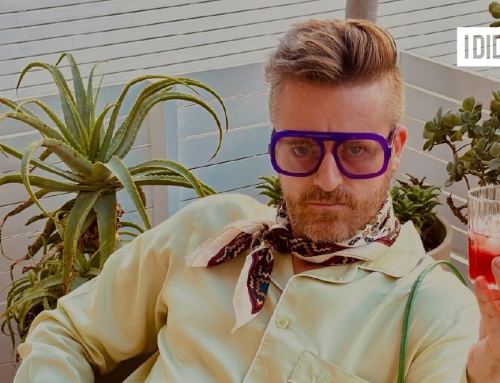

Why Thembalethu Msibi wants South African advertising to stop translating culture
Jury President of the 2026 iPendoring Awards, on why indigenous language advertising deserves more than a translation.
We sat down with Thembalethu Msibi, Co-Founder and Chief Creative Officer of BlackSwan and Jury President of the 2026 iPendoring Awards, to talk about why South African advertising still treats indigenous language work as an afterthought, and what it will take to change that.
Close to two decades in the industry, and years spent building BlackSwan into an agency defined by cultural nuance, have shaped Themba’s view that language in advertising is not a translation exercise. It is about who gets considered first, how much creative energy different audiences receive, and whether the industry is confident enough to create from within South Africa’s own cultures rather than adapting from an English idea.
Q: You’ve been in this industry for almost 20 years. Do you think South African advertising has found its own voice?
Thembalethu: South Africa doesn’t have one voice, and that’s the beauty of us. We have different languages, regions, cultures and subcultures, but there is still a South Africanness that shows through in our advertising. I think we share some commonalities, but we’re also confident in our differences.
Q: Are we giving all of those voices the same creative attention?
Thembalethu: Not yet. Some clients know they need to create work in all our languages, but not all of them are invested in whether all the work is of excellent quality. South African indigenous languages deserve the same creativity, time and effort that we automatically give English-language work.
Q: Where are we getting it wrong?
Thembalethu: The investment in the development process. In a multilingual radio campaign, English is often recorded first because, apparently, ‘English sets the tone’. We might spend two hours crafting one 30-second English spot and half an hour per language. By the time we’ve started, we’ve already decided that one language matters more than the others.
We hear the result too. I listen to Ukhozi FM, and it’s often the same voices used over and over across commercials. When selecting voices for English, agencies and brands are discerning about whether a voice is overused within a category or associated with another brand. We should apply that same level of discernment to indigenous-language work.
Q: So what does culturally relevant work actually require?
Thembalethu: We need to understand and appreciate how people live and socialise, and what is relevant and true to them. Culture doesn’t stop at language either. The way Setswana is spoken in Pretoria is completely different from how it’s spoken in the Vaal, because every region carries its own tonality and subcultures. That kind of specificity is difficult to pinpoint, but great insights will always travel well. Cultural intelligence also requires proximity and lived experience; it adds nuance. Our CD, Thulani, speaks about “Contributing to the culture instead of stealing it for advertising”, and that’s something we try to achieve.
Q: How do you build an agency capable of doing that?
Thembalethu: We can’t permanently staff for every language, region and subculture. We try to build the right teams around specific briefs and bring in freelancers who can augment and improve the work, rather than simply translating it word for word.
At BlackSwan, we sometimes deliver work for different regions and segments, and we don’t simply translate radio or OOH; we craft every execution. For one Telkom summer campaign, we wrote ten different radio scripts per language, which came to around ninety separate radio spots. Each one was different because it had to work for that specific audience.
Q: What does iPendoring understand about this that other awards perhaps don’t?
Thembalethu: iPendoring has stayed relevant because it doesn’t reward translated work. It celebrates and spotlights creative and design work developed in our indigenous languages, with an exclusively South African lens. There’s an incredible focus on craft, reflected in the wide range of adjudicators involved in the judging process, from educators to senior creatives.
I must add: if we want to keep celebrating excellent indigenous-language work, we first have to make more of it. The smaller the pool of work created with real care and ambition, the less representative the award-winning work will be.
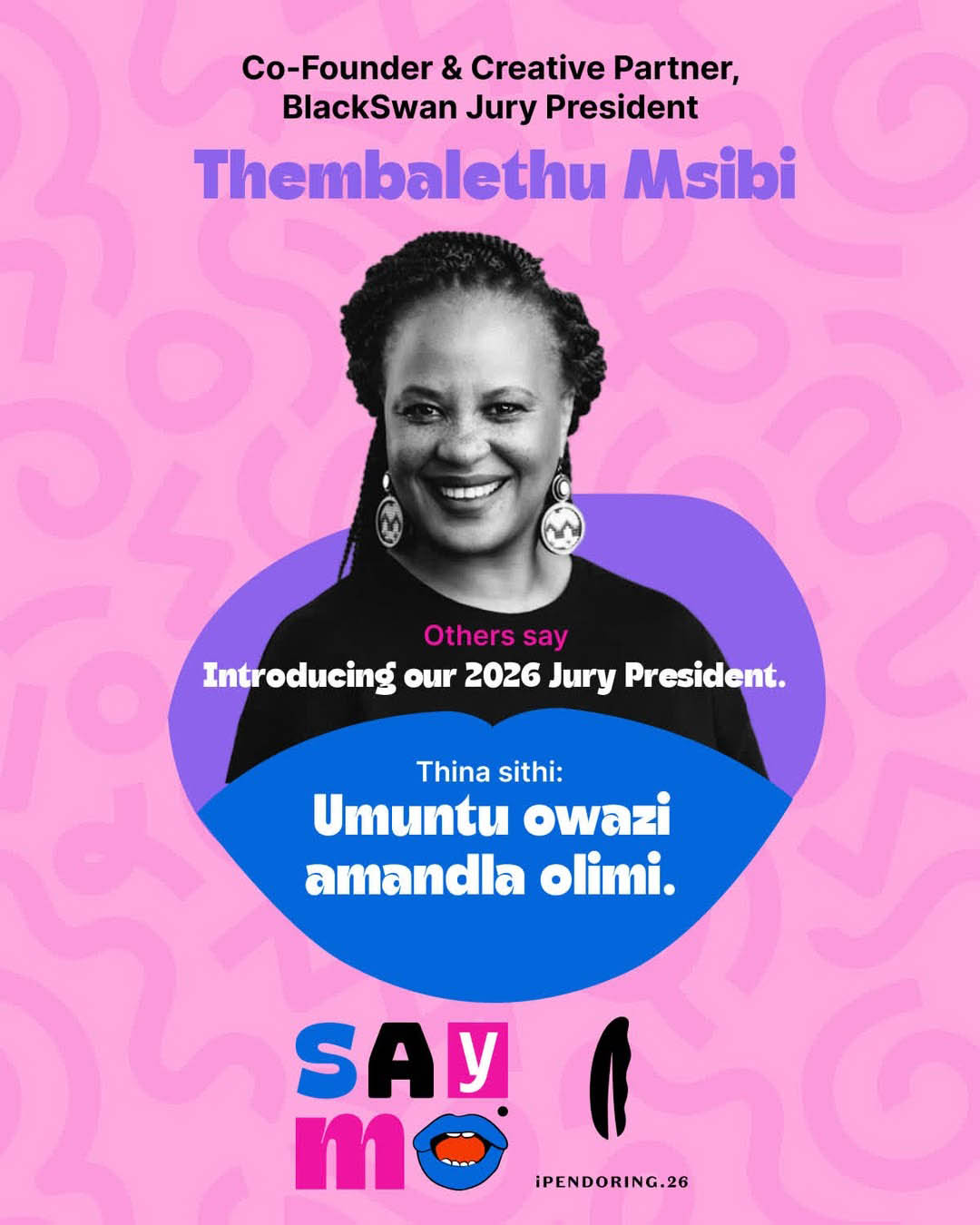
Q: How did you approach leading the iPendoring jury this year?
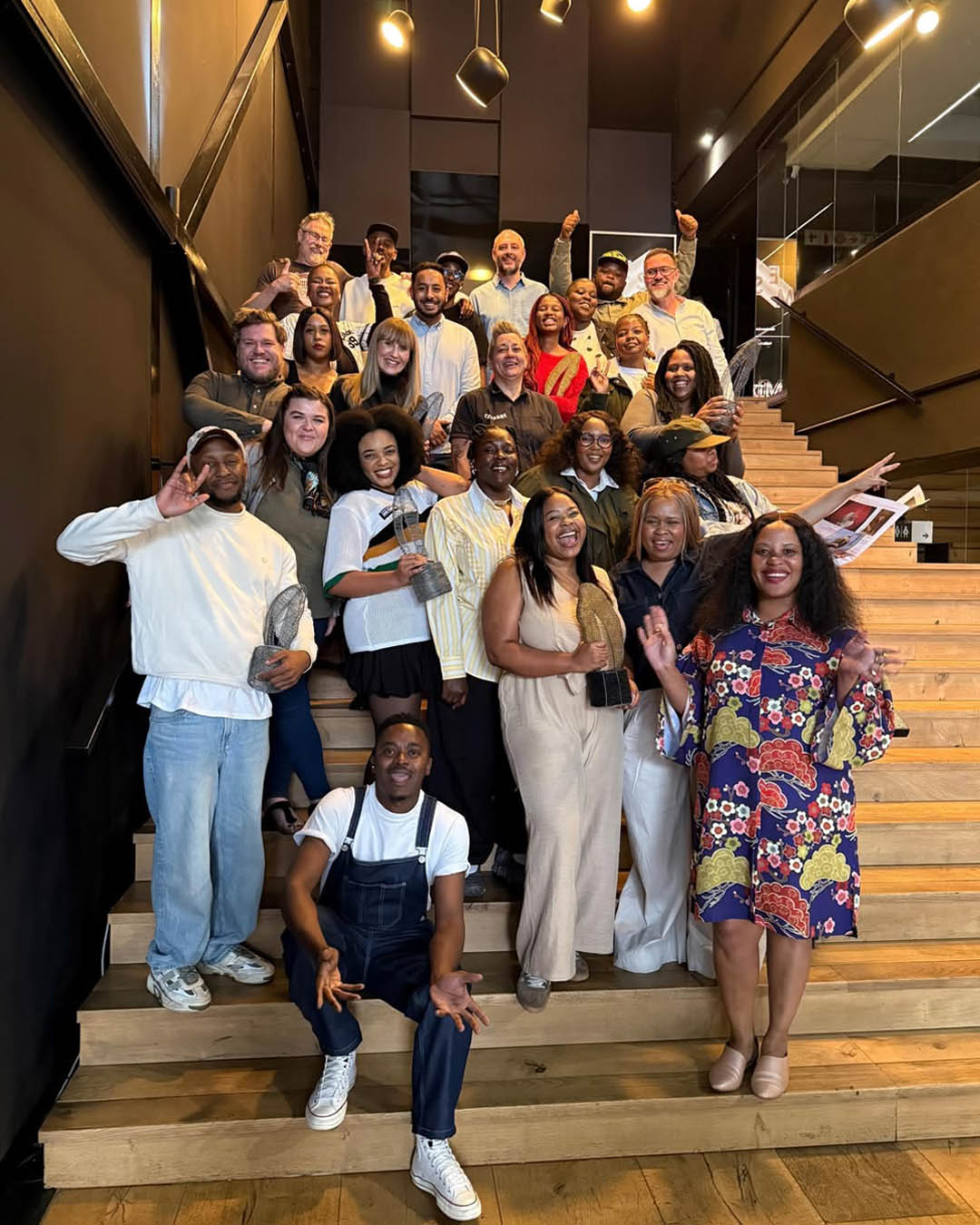
Thembalethu: I really liked that the jury brought together people with different levels of experience. More senior jurors brought experience, while younger jurors brought a different perspective and challenged assumptions that can build up over time.
My role wasn’t to walk into the room and decide what won. The room decided what was worthy. My job was to hold that room to account and make sure that, as a collective jury, we were comfortable saying, “This is the standard of work we believe marks 2025/2026.”
Q: You talk about being in a position to shape where South African advertising goes next. What do you actually want to spark?
Thembalethu: I think we’re at a crossroads, and I hope I get to help carve a better path. My legacy won’t be about what’s happening right now, but rather what it can lead to next. I’d love to build work that my peers celebrate as much as customers do, while also elevating the brand. Too often, those outcomes are treated as separate things.
Q: What kind of South African advertising do you want to see more of?
Thembalethu: I want to see work that people actually see; work that my mom, nephew and friends talk about; work that customers connect with; work that delivers commercial success and gets awarded. We often see award-winning work that no one outside the industry ever talks about. I want us to get to a place where the work can live in all of those worlds at once: real work, for real people, that matters to the brand and is seminal enough to win awards.

Contact BlackSwan
Chief Creative Officer & Co-Founder: Thembalethu Msibi
hello@weareblackswan.co.za
+27 (0) 69 552 1138
View IDIDTHAT Profile
View Website
Produced by the IDIDTHAT Content Studio
Credits: Anne Hirsch (Writer) / Julie Maunder
This content may not be reproduced, distributed, or used in any form without prior written consent from IDIDTHAT. Reprints must credit IDIDTHAT.co as the original publisher and include a live link to ididthat.co.
This editorial was commissioned by BlackSwan.
Want the industry to pay attention to your production company, agency, brand, or the work you’re proud of? The IDIDTHAT Content Studio partners with you to thoughtfully and strategically shape your narrative.