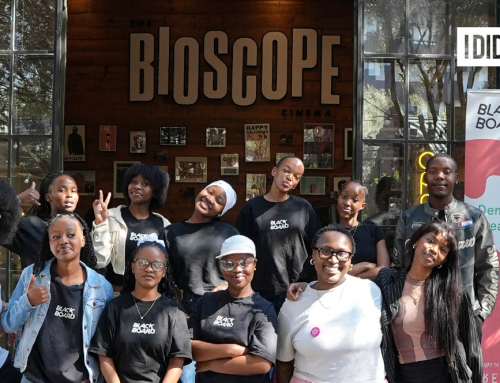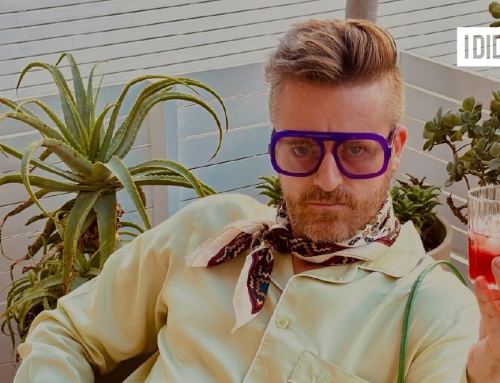

Inside Retroviral’s viral factory with their first ECD, Koketso Masisi
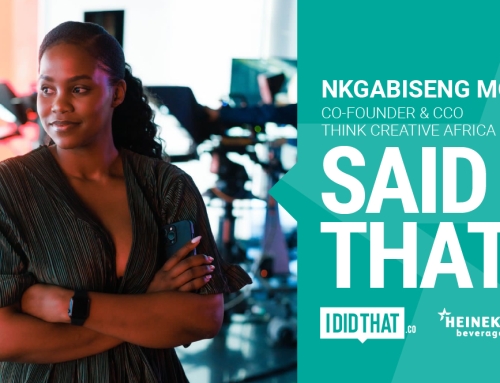
IDIDTHAT and Heineken Beverages presents I SAID THAT, the Q&A series featuring South Africa’s top creative talent.
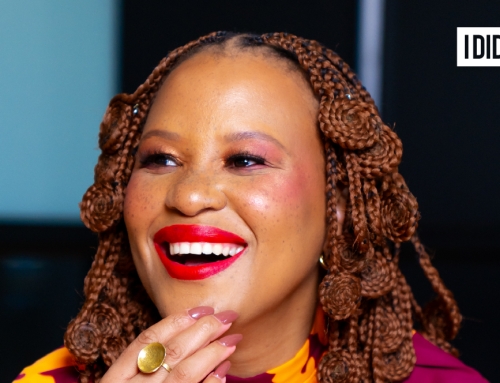
Koketso Masisi has strong views on what makes an idea worth fighting for, as she should, she’s ECD of Retroviral after all. We talk craft, choosing directors, the marketers who make the work better and the South African ad she wishes she’d made. She also gives us the work she’s proudest of, who deserves a shoutout right now, and what’s exciting her about our industry.
Koketso started out in design and art direction, then joined Retroviral as Head of Design and helped shape the agency as it grew from social-first into an integrated creative business. Now she’s its first Executive Creative Director, with a hand in everything from the creative standard and growing the team to new business and where the agency goes next.
Outside Retroviral, she also co-founded Ko.Kreate with Kgothatso Maditse, a platform built by women of colour to connect, collaborate and shape the future of the creative industry.
Q: You started out in design and art direction. What does great craft mean to you, and where do you think it makes the biggest difference to an idea?
Koketso: For me, great craft is about care. It is the difference between having a good idea and making people feel something. The details matter; from casting and styling to typography, editing, sound and cultural references. But craft is not just about making something beautiful; it should serve the idea. Sometimes the biggest difference is knowing what to add, and sometimes it is knowing what to take away.
Great craft also shows respect for the audience. People can tell when something has genuinely been observed and understood rather than simply borrowed. One of the campaigns closest to my heart, and one that truly became a labour of love, was Castle Milk Stout’s ‘Sign Your Clan’. In South Africa, our clan names are more than names. They carry our history, our ancestry and our sense of belonging. Yet for the Deaf community, an important part of that cultural expression had never been accessible. So we asked: what if people could sign their clan?
In 2025, we worked with South African Sign Language experts Mmatlou Moloto to develop South Africa’s first clan signs, verified by PANSALB, creating a new way for the Deaf community to express and celebrate their heritage.

Castle Milk Stout ‘Sign Your Clan’


But we did not stop at creating the signs. We wanted to see what it meant when culture was made truly accessible in real life. We partnered with a Deaf couple on one of the most intimate journeys of their lives, from lobola negotiations to their wedding day. Their clan sign became a meaningful thread woven through every touchpoint of their matrimonial celebration.


We created wedding gifts embossed with their clan iconography, which were exchanged between their families on the day, transforming a sign into something tangible, personal and deeply rooted in tradition. Because culture is not something you should simply be able to hear about or observe. Culture is something you should be able to claim, express and pass on. And culture can only truly survive when everyone gets to be part of it.


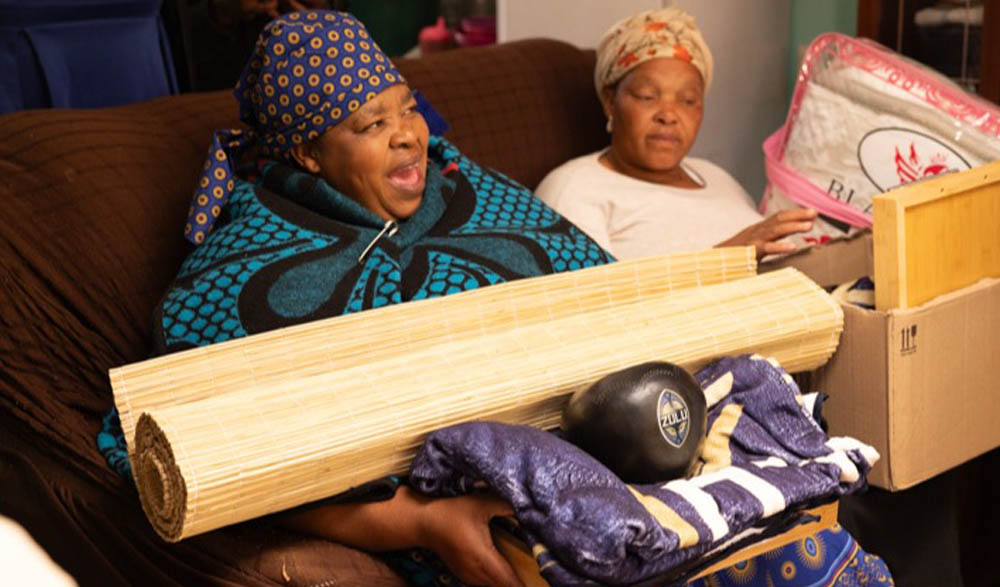
Koketso (continued): Another one of my favourite craft pieces of work is BB Bakeries ‘Taste of Home’, directed by Alex Fynn from PrettyNeat. Set against the vibrant backdrop of KwaZulu-Natal, this beautifully crafted advert tells the timeless love story of a couple whose relationship has flourished since the 1980s. By paralleling their journey from youth to their golden years, we see how, even as the world around them changes, their love, the community spirit, and the taste of BB Bakeries bread remain constant. The commercial masterfully shifts between the past and present, positioning BB Bakeries is not just as a part of the scenery but as a beloved companion through life’s key moments.
BB Bakeries ‘Taste Of Home’


‘Taste of Home’ picked up a Craft Certificate for Writing and Craft Gold for Original Music & Sound Design at the Pendoring Awards.
Q: And now you’re Retroviral’s first Executive Creative Director. What comes with that role?
Koketso: The role comes with a much bigger sense of responsibility. My focus is no longer just on the work. I personally create, but on the people, culture and systems that make great work possible.
That means building creative leaders, growing departments, driving creative excellence and understanding how creativity connects to clients, new business, agency reputation and the overall health of the agency.
Retroviral has received significant industry recognition over the past year, including Ad Age International Small Agency of the Year, SABRE Africa Consultancy of the Year, MarkLives Small Agency of the Year and AdFocus Small Agency of the Year in 2025. A big part of my role is maintaining a high standard of work and protecting the growth of the business; and ensuring that as we grow, we continue asking: “Is this idea worth talking about? Is it newsworthy?”
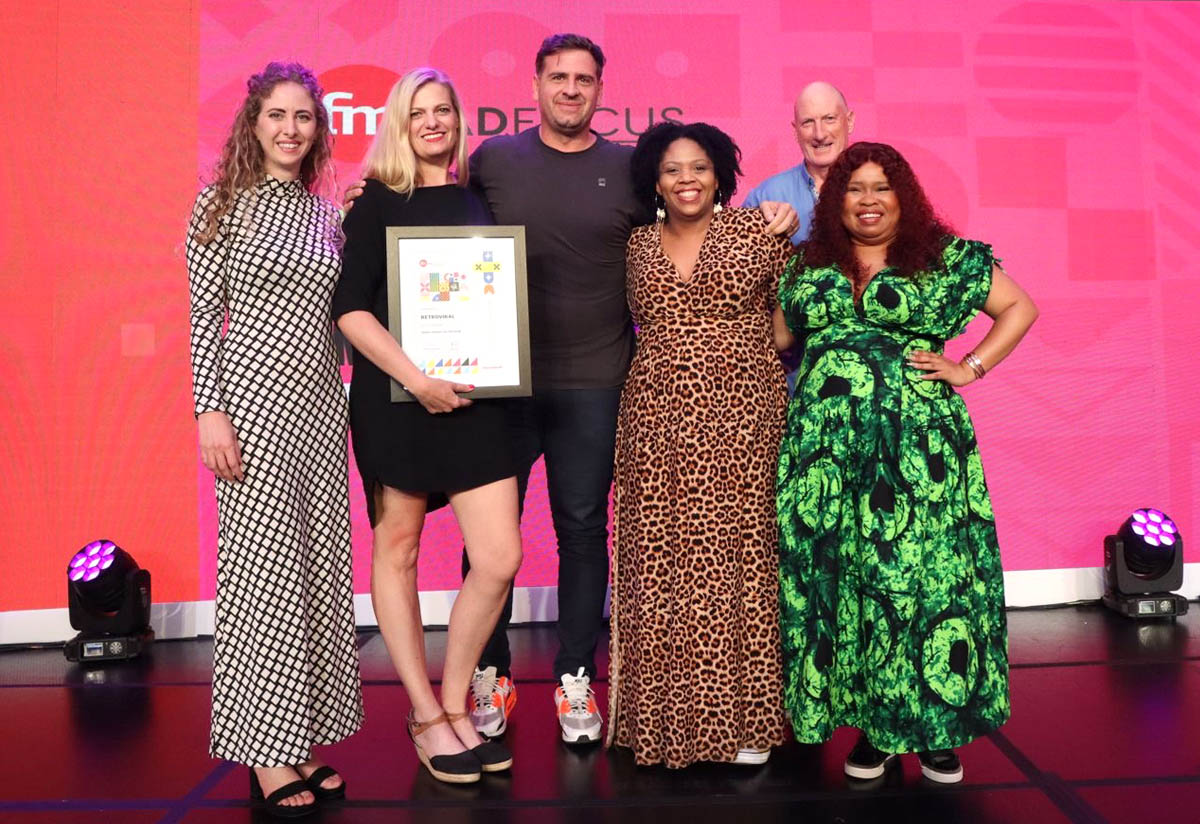
AdFocus Small Agency of the Year in 2025
Q: How would you describe your leadership style?
Koketso: I would describe it as collaborative, invested, empathetic and honest. I believe success looks different for everyone, so I spend time understanding what motivates people and what their own version of growth looks like. Sometimes leadership is helping people see strengths and opportunities they cannot yet see for themselves.
But I also believe in accountability. Work ethic takes no talent. It takes a decision. I am supportive, but I believe in showing up, taking ownership and doing the work.
Retroviral’s workforce is made up of 78% women. Ultimately, I want to build a culture rooted in trust; where women feel supported, challenged and safe enough to grow.
This most important thing I believe in is leading by example. I am intentional about where I lend my voice; and how I choose to show up in spaces I want to shift or learn from.


Image 1: Retroviral at the Brave Collective / Image2: Retroviral Standard Bank Top Women Organisation
Image 3: SOWA: State of the Women Address / Image 4: Open Chair 2025 Cohort
Q: What makes a great idea for you? What does an idea need to have before you really get behind it and fight for it?
Koketso: A great idea usually starts with a human truth. It needs insight, cultural relevance and emotion; something that makes you think, “Yes, I know that feeling.” I am drawn to ideas that are simple to explain but have enough depth to grow into something bigger.
At Retroviral, we also ask whether an idea is PR-able. Is it interesting enough to earn attention rather than simply buy it? Can it become part of a broader conversation? The ideas I fight for have a reason to exist. They are strategically sound, culturally relevant and have the potential to make people feel, think, laugh or share.
Black Crown ‘Afrobeatanicals’ Case Study
‘Afrobeatanicals’ picked up an EMEA SABRE Certificate of Excellence, was a Platinum Finalist for Best in Show and a Media Relations Finalist at the Africa SABRE Awards, and earned multiple Loeries finalist spots plus a Craft Certificate for Music & Sound Design.

Koketso (continued): An example of what a great idea looks like to us is the work we did on Black Crown. The brand turned the iconic gin-and-tonic garnish into music.
Partnering with RunJumpFly and using PlantWave technology, the natural frequencies of juniper, citrus, rosemary and African botanicals were transformed into ‘Afrobeatanicals’; an Afrobeats-inspired soundtrack rooted in the ingredients themselves.
Paired with Ama Gaisie’s ‘Slow Down’ and Black Crown’s ‘Put Your Crown on Ice’ positioning, the campaign encouraged an always-on generation to slow down and savour the moment. The result was record PR reach and chart success across Africa, reaching 34 markets on Spotify alone.
Q: Retroviral has built a reputation for work that gets people talking and sharing. What makes one idea more likely to go viral than another, and can you ever really engineer that?
Koketso: You cannot guarantee virality, but you can create the conditions for people to care. The ideas that travel usually tap into something people already connect with; culture, humour, identity, nostalgia or an uncomfortable truth.
Our social and earned-media roots taught us that you can buy reach, but you cannot force genuine conversation. People share things because they give them something: a laugh, recognition, a point of view or something worth sending to someone else.
So we think about the conversation around the work, not just the work itself. What will make someone stop, comment, tag someone or talk about it?
Ultimately, culture decides what takes off. Our job is to listen closely enough to give the idea the best possible chance.
Q: What do you think makes Retroviral and its work different?
Koketso: I think our biggest strength is that we have evolved without losing sight of where we came from. We started on social media and built a reputation for earned-media excellence, so we naturally thought beyond, “Is this a great ad?”.
We ask, “Is this worth talking about?”
Our strongest work sits at the intersection of what we call the holy trinity of marketing: something tangible that people can experience emotionally or physically, storytelling that can travel through digital and social platforms, and an idea that is genuinely PR-able.
Add to that a diverse team with different lived experiences, and you get work that is often rooted in real cultural insight.
We want our work to have a reason to exist; creatively, culturally and commercially.
Q: Take us inside an average workday for you. What does it actually look like?
Koketso: There is probably no such thing as an average day anymore. My time moves between creative reviews, concept development, leadership meetings, mentoring, client conversations, new business and looking at the broader direction of the studio.
A big part of my role is moving between the creative and the strategic. One moment I am helping shape a campaign; the next, I am discussing business priorities or helping someone in the team grow into a leadership role.
The best part is seeing people grow and take ownership of things they once did not think they were capable of.


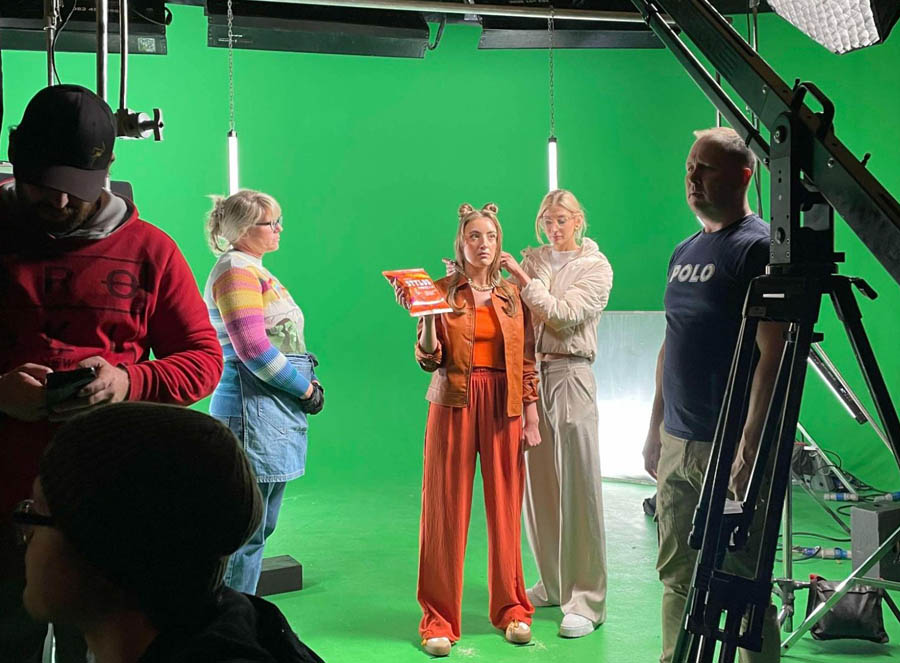


Image 1: Black at Cannes Event / Image 2: AutoTrader ‘Find Your Happiness Launch’ with the team / Image 3: Truda Foods shoot / Image 4: Bic shoot / Image 5: RV Proactive Sessions
Q: When you’re choosing a director or production partner, what makes you think, “Okay, these are my people”?
Koketso: The first thing is whether they understand the heart of the idea. We don’t want someone who simply executes a treatment. We want a partner who brings expertise, adds to the thinking and makes the work better while protecting what made the idea special in the first place.
Collaboration, cultural sensitivity and attention to detail are incredibly important, especially when telling distinctly South African stories. And then there is chemistry. Production can get intense, so you want people who are generous, solution-oriented and genuinely excited about making something great together.
#DoItBig with AutoTrader
Koketso (cont): For example, in a cluttered automotive market dominated by bigger budgets, AutoTrader’s campaign seized a powerful moment of national optimism. With consumer confidence at a rare high; thanks to economic relief, falling petrol prices; the campaign tapped into a mindset unique to early 2025. By pairing this insight with culturally resonant storytelling and Katlego Baaitse’s bold direction from Spitfire; the campaign struck an emotional chord with everyday South Africans, proving that well-timed, insight-led creativity can deliver results.


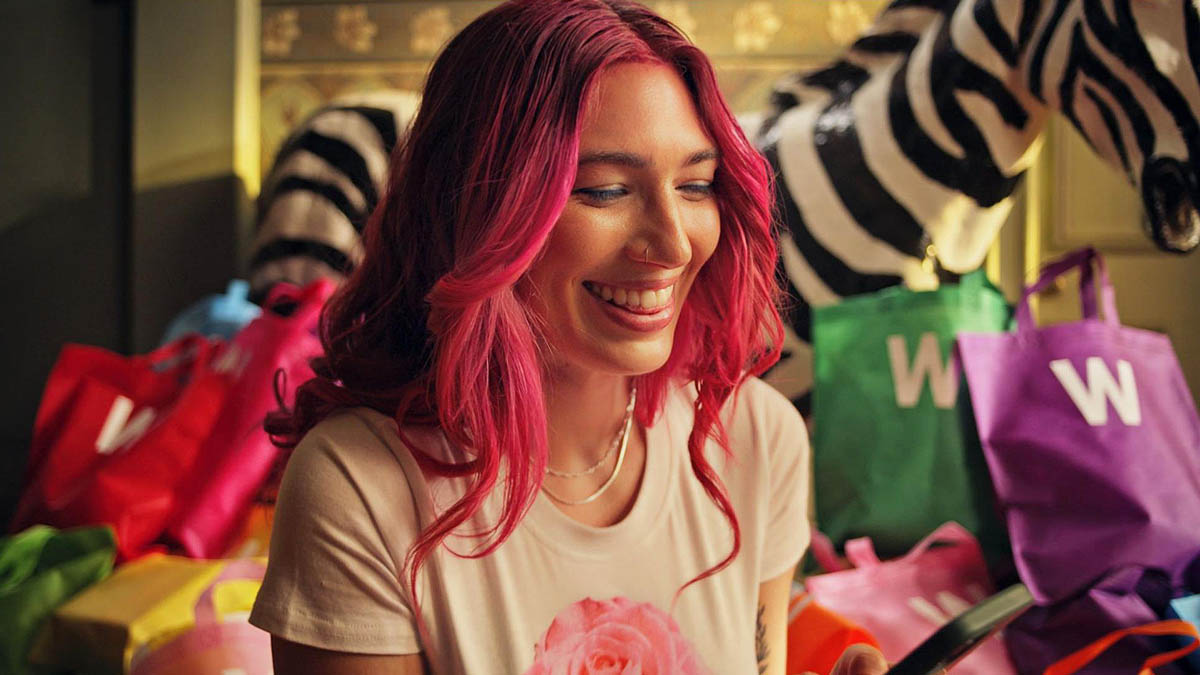

Screenshots from AutoTrader
AutoTrader ‘Drive Possibility 2026’
Koketso (cont): Another example of what great chemistry looks like for us was bringing ‘Drive Possibility’ to life with Craig Moore and the Robot team. We had a lot of fun on that one. The POV creative approach gave us an opportunity to put consumers directly in the driver’s seat, offering a first-person view of what’s possible with AutoTrader. At its heart, the campaign is about the intersection of ambition and action; that internal drive that pushes us towards what we want, and the moment we take action to turn possibility into reality. It’s important to understand that you need different strokes, to bring different treatments and stories to life.


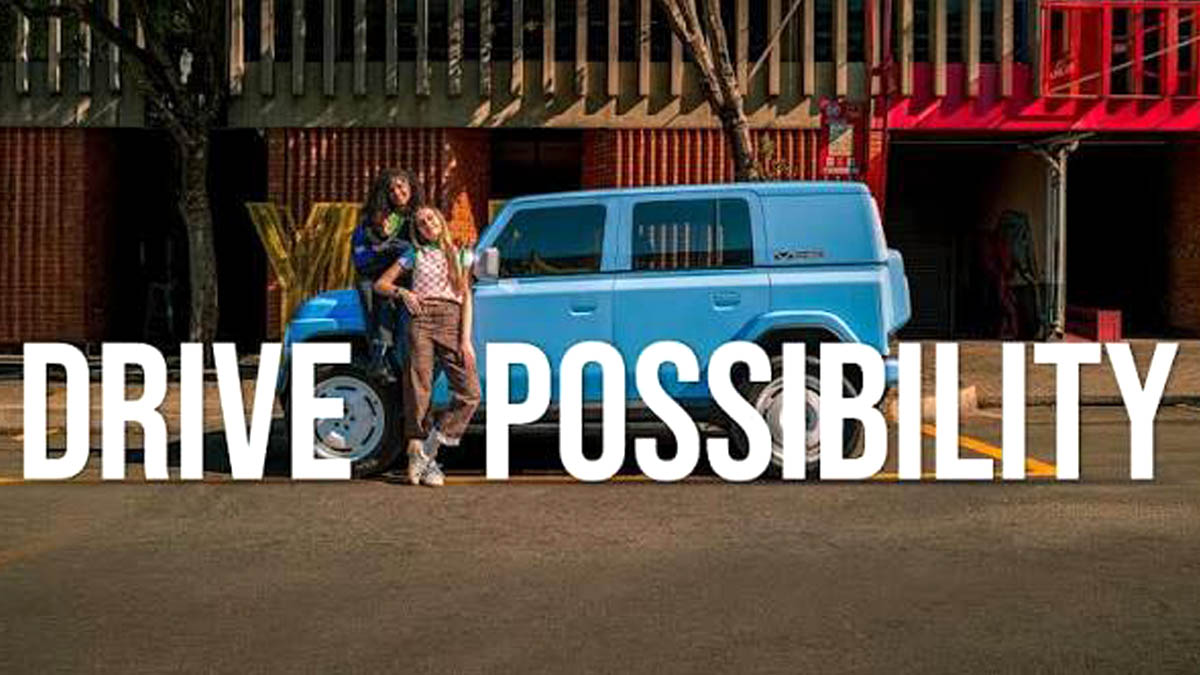
Screenshots from AutoTrader’s ‘Drive Possibility’ campaign
Q: What do the best marketers do that makes for stronger creative work?
Koketso: The best marketers understand that creativity and business should not be separate. They are clear about the problem they are solving but open-minded about how creativity can solve it. They see agencies as strategic partners, not simply executors of briefs.
The strongest marketers also understand the value of earned attention. With budgets under pressure, every idea needs to work harder. A campaign should not only live in paid media; it should create conversation, generate PR and give people a reason to engage.
Great work also requires trust. The safest option is not always the most effective one.
Q: Looking back at your own body of work, which piece are you most proud of, and why?
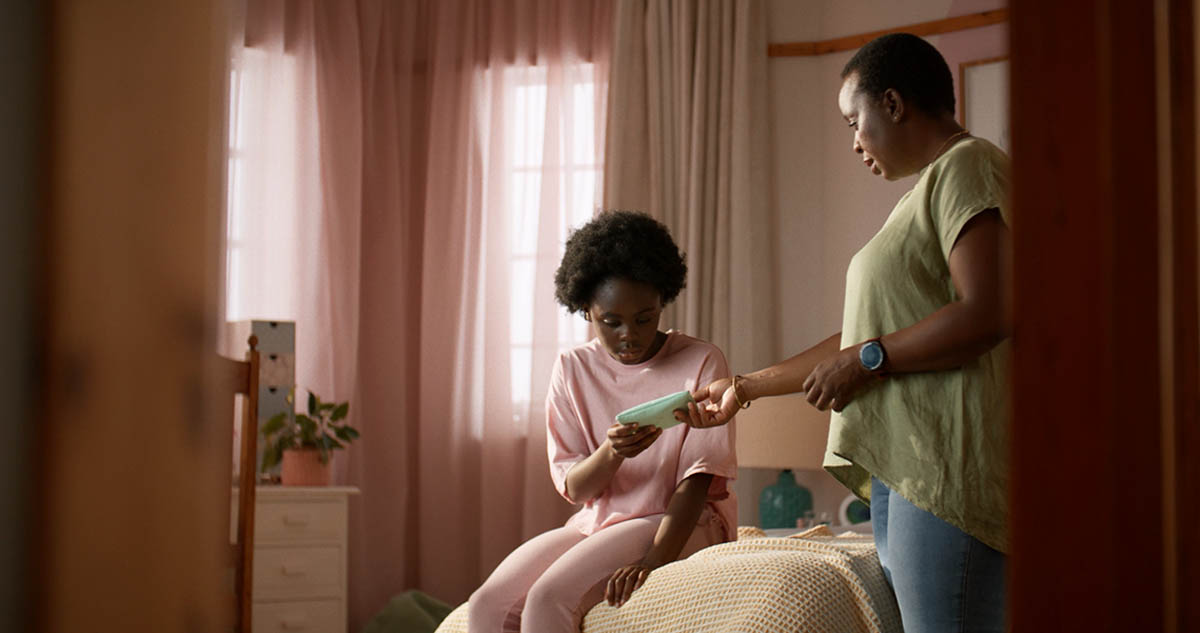
Koketso: One of the pieces I am most proud of is Lil-Lets’ ‘Cycle Breakers’. The campaign explored how period stigma and shame can be passed down through generations and asked how we could begin to break that cycle through more honest conversations.
What made it meaningful was its authenticity. We moved away from the sanitised way periods are often portrayed and created space for the uncertainty and vulnerability young girls can experience.
It reminded me why I do this work. Meaningful work gives life purpose and connects you to something bigger than yourself.
Lil-Lets Calls on South Africa to be Cycle Breakers


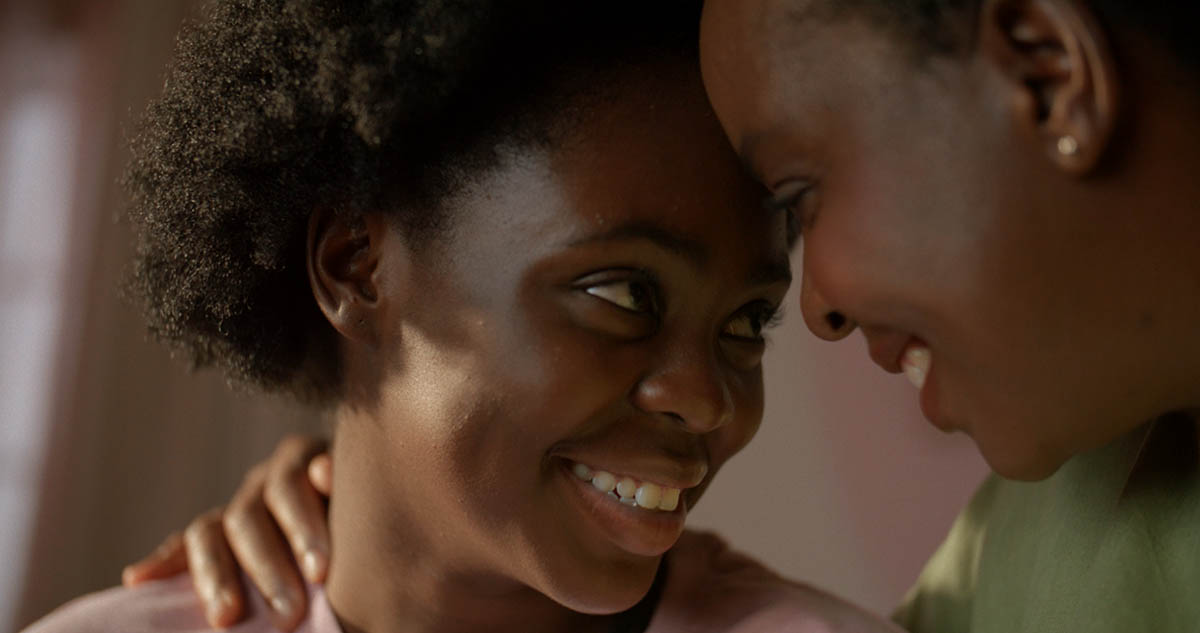
Q: What’s a South African commercial you’ve seen and thought, “Damn, I really wish I’d made that”?
Koketso: I am always drawn to South African work that feels unapologetically rooted in who we are.
The work I admire most does not try to imitate global advertising. It understands that the more specific you are about a culture or human experience, the more universal the emotion can become.
I love work that makes me feel something before I have even had time to analyse why it works; work that is brave, beautifully crafted and so culturally observant that you think, “Damn, I wish I’d made that.”
Nedbank Money Brand ‘Money Relationships’
Q: What excites you about the current South African advertising landscape?
Koketso: I am excited by the growing confidence in our own voice. We are seeing more work that understands our languages, humour, food, families and cultural nuances are not limitations; they are creative assets.
I am also excited by how the boundaries between advertising, PR, social, content and experiences are disappearing. The strongest ideas today can move across all of those spaces.
And I am inspired by a new generation that is less willing to accept, “This is how we have always done things.” Sometimes you have to create what you want to be a part of, and I think more people are doing exactly that.
Q: You co-founded Ko.Kreate to help women of colour navigate and grow in the industry. What are you hearing from those women that you think the people running agencies should be paying much more attention to?
Koketso: What I’m hearing from women through Ko.Kreate is that they’re not simply asking for a seat at the table anymore. They’re asking what happens once they get there.
There’s a real desire to grow without having to lose yourself in the process; to lead without having to mimic outdated ideas of leadership, to bring your full cultural perspective into the work, and to build careers that aren’t defined by how much struggle you can endure.
That’s why our next chapter of Ko.Kreate, the ‘Ko.Kreate ’n Chill’ podcast, feels so important. We’re launching space for conversations around the business of creativity, industry allies and reinventing future leadership; because the women shaping the future of this industry are already here.


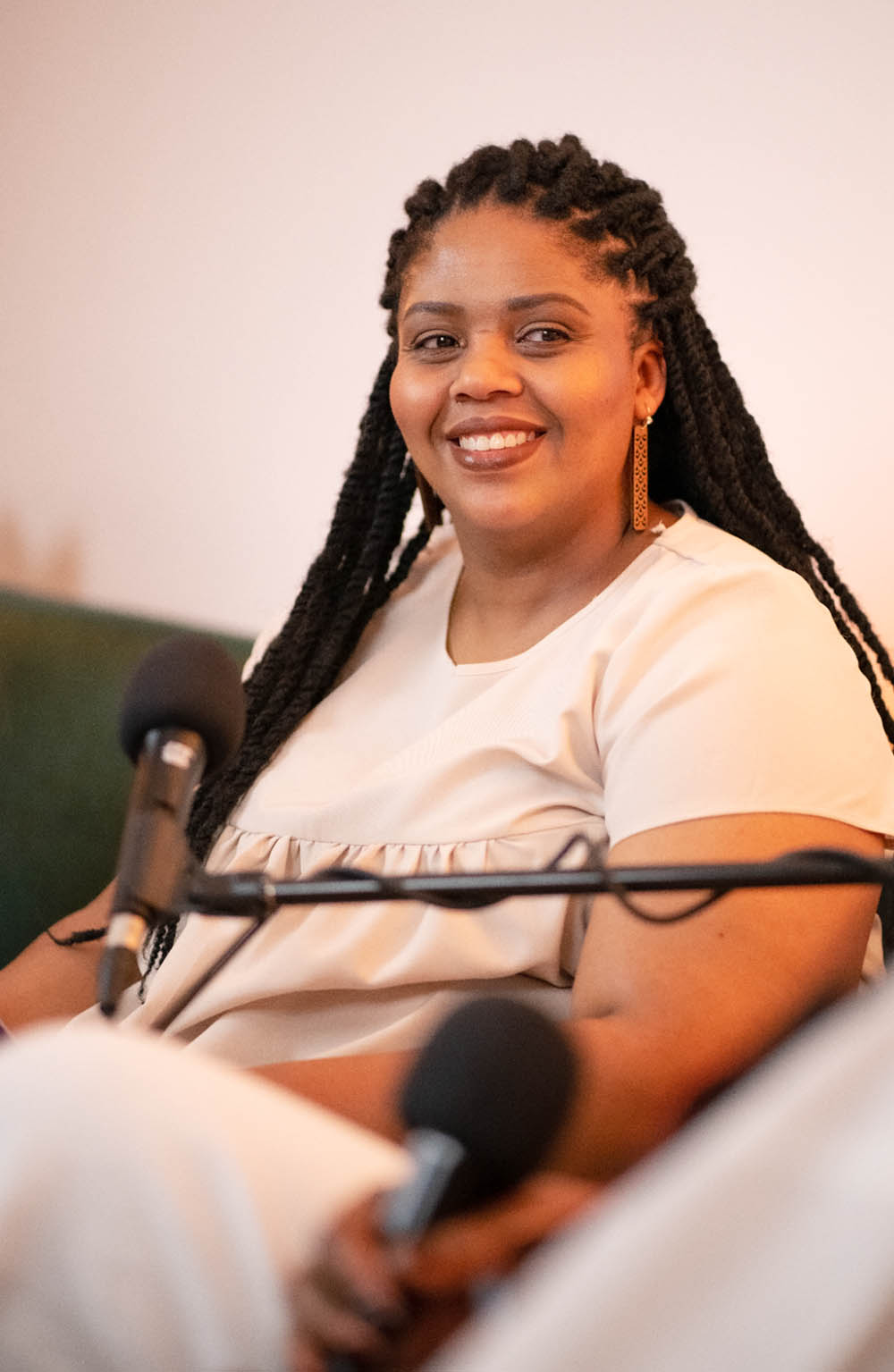
Koketso Masisi, Nwabisa Tolom, Thandeka Gilbert and Kgothatso Maditse.
Koketso (cont): Agency leaders need to pay closer attention to whether their cultures are creating room for those women to be heard, trusted and developed. Not just included in the room, but empowered to influence the direction of the work, the business and the industry itself.

Koketso (cont): The future won’t belong to the loudest voices in the room. It will belong to leaders who are clear about who they are, confident enough to bring that perspective into the work, and supported by environments that recognise that difference isn’t something to manage; it’s a creative advantage.
Q: Who in the South African creative and production industry deserves a shoutout from you right now, and why?
Koketso: Massive shoutout to the independent agencies building from the ground up. In a tough economic climate, they’re navigating the realities of running a business, managing revenue and keeping the lights on, while still producing work that competes and converts metal; alongside some of the industry’s biggest players.
I’m particularly inspired by the next generation of creatives and entrepreneurs who are building their own platforms, taking risks and refusing to wait for permission or for someone else to open the door.
There’s nothing more expensive than a missed opportunity. I have huge respect for the people willing to put themselves forward, back their ideas and create the things they wish already existed.
[We are Bizarre, BlackSwan, Think Creative Africa, Bananas, Boundless]
Q: What’s something very few people in the industry know about you?
Koketso: I am an ambivert.
People who know me through work probably assume I am always switched on and thinking about the next big thing. But I really value my life outside of work. I am a mother, and I have learned that success means very little if you cannot also be present for the people and moments that matter to you.
After a long day of back to back meetings, directing and mentoring, attending industry events… there’s nothing I value more than sitting in silence. I love my own company 😂.
Q: What are you binging or obsessed with right now?
Koketso: Right now, I am probably most excited to go back to creating space to reset.
The sun is finally out, and taking walks will become a big part of that for me. It gives me time away from screens to think, process and sometimes find the answers I was looking for.
I love going to the theatre with my daughter. In the digital and social era, it’s fundamental to enrich our kids with arts and culture. I enjoy a good brunch/dinner date with the people who fill my cup. Bonding over good food is my love language.
I’m currently binging on ‘Umthetho’ directed by Mandla N. Impeccable choice of cast and raw South African storytelling. I personally loved the female lead characters. Such baddies!
I’ve also recently watched ‘Mobland’ on Netflix. Again, some of my favourite actors with a fire storyline. Clearly in my baddie era 😅.

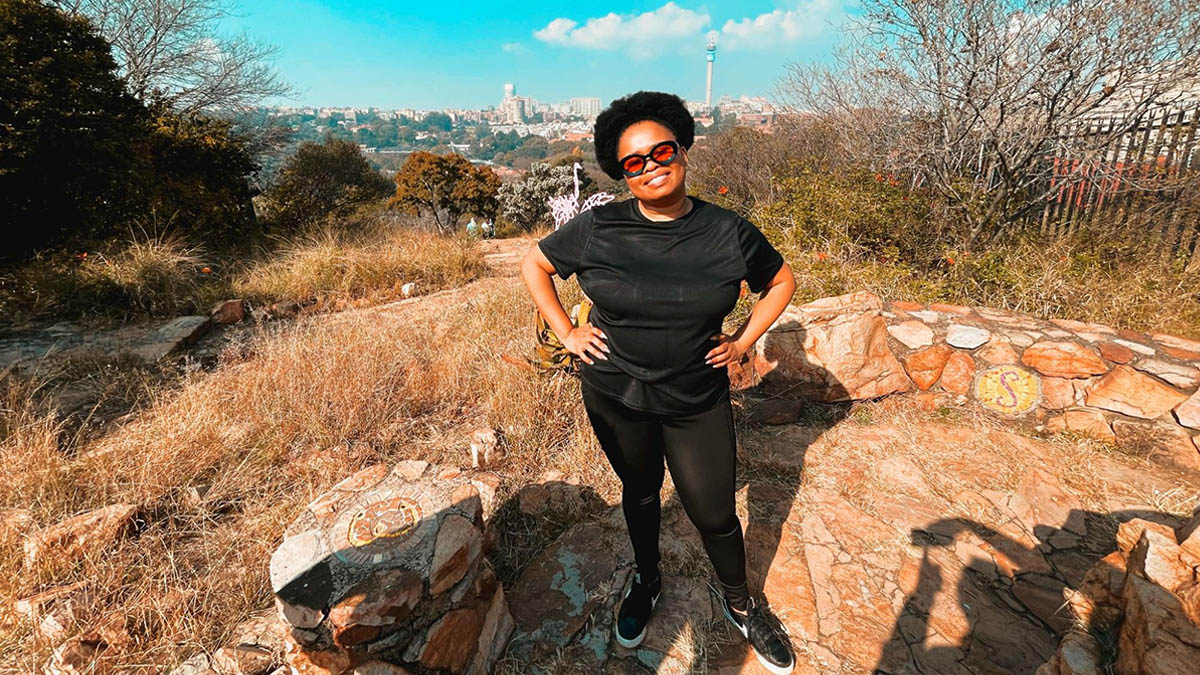



Contact Retroviral Online Branding
Executive Creative Director: Koketso Masisi
info@retroviral.co.za
(+27) 10 300 1078
View Website
Produced by the IDIDTHAT Content Studio
Credits: Anne Hirsch / Julie Maunder
This content is the property of IDIDTHAT.co and may not be reproduced in any form without prior written consent. All reprints must credit IDIDTHAT.co as the original publisher and include a direct link to this site.
If you’d like us to create editorial content, help you strategise your publicity, or put your work in the spotlight, get in touch. Explore our editorial packages or contact julie@ididthat.co Let’s get your work seen. #Boom